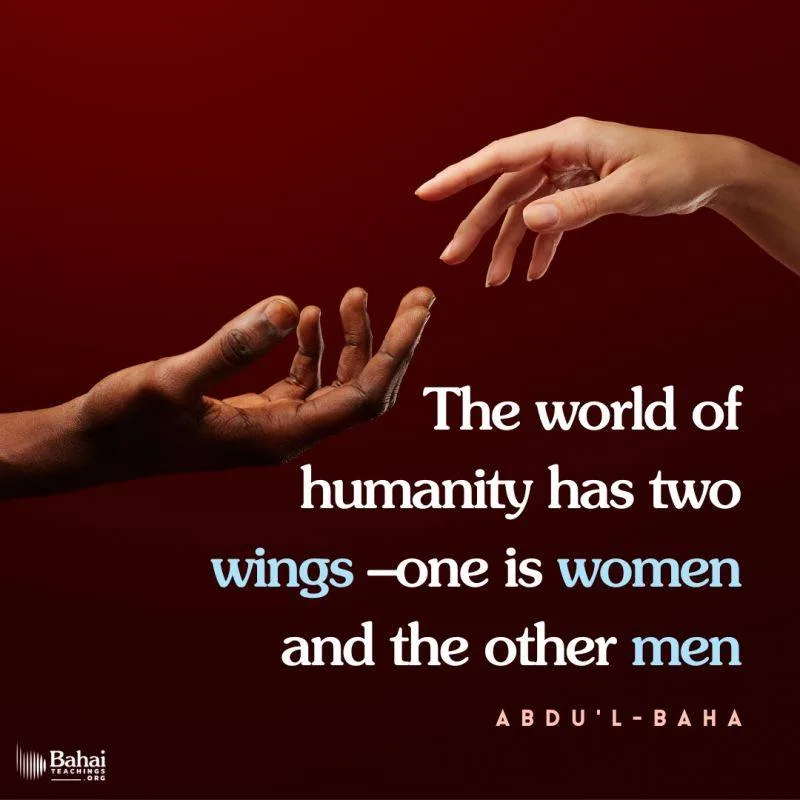
When the Two Wings Rise: The Equality of Women and Men
From the Heart of Dakota Understanding – Čhaŋté Wówašte ečhúŋpi, With a Good Heart We Speak.
There shall come a time, na íyotake šni, not in a distant dream but in the unfolding of this very generation foretold by our Tȟuŋkášila, our Grandfathers, and Uŋčí, our Grandmothers, and affirmed in the Čhaŋgléska Wákȟaŋ, the Sacred Hoop of Life. A time when Wíŋyaŋ and Wičháša, women and men, will stand not in competition, but in sacred harmony, bearing together the weight and beauty of shared responsibility.
From the Dakota way, we understand that true balance—owášte šni, not mere equality as the world now defines it, is woowás’ake, strength drawn from spiritual interdependence. This balance is not a concept of the mind alone, but a wówačhiŋ, a sacred intention of the heart, whispered by Wakȟáŋ Tȟáŋka, the Great Mystery, from the beginning of all things.
Women and men are like the two wings of Wambdí Gleská, the Spotted Eagle, the one who flies the highest and sees the farthest. Without the full strength of both wings, the eagle cannot rise. For too long, Wíŋyaŋ Oyáte, the Nation of Women, have been held back—burdened by silence, reduced by foreign laws, and denied their sacred place within the tióšpaye, the extended circle of kinship and governance.
Our sacred teachings remind us that Wíŋyaŋ were once the keepers of wóčhekiye, the prayers, the carriers of čhaŋnúpa, the Sacred Pipe, and the vision-givers of the People. Before the coming of wachichu systems of domination, our societies were guided by wówahokuŋkiya, mutual respect and shared authority. The lodge was led with both fire and water, wisdom and nurture, strength and intuition. Tȟawóčhiŋyaŋpi, the Original Instructions, made it clear that both woman and man were created as wakȟáŋ, sacred.
The stars above and the roots below reflect this balance: Wi, the Sun, and Haŋwí, the Moon; the tȟaté, the wind, and mní, the water. None dominates the other, yet all fulfill sacred duties in harmony. So too must the roles of women and men be seen—not through the lens of superiority, but as wóohitike, courageous harmony.
The advancement of our People depends upon the full and sacred inclusion of women, not as an act of generosity by men, but as the restoration of a sacred truth that always was. WíyakA, the clear seeing of the heart, tells us this: a Nation without the leadership, vision, and spiritual authority of its women is like a fire without warmth, like a song without rhythm, like a journey without direction.
No itȟáŋčhaŋ, no chief, no ókȟolakiciye, council, no oyáte, people, can rise with only half its power awake. Until the wing of Wíŋyaŋ Oyáte is fully extended, our Human Family will remain grounded, unable to soar into the sacred future Wakȟáŋ Tȟáŋka has prepared.
This sacred movement is not about politics—it is wówačhiŋyaŋ, a spiritual restoration. It is about wíyokipi, remembering what has been forgotten. It is about healing from the wíyakapi, the deep wounds left by colonization, patriarchy, and imbalance. It is about honoring the sacred dreams of our uŋčí, our grandmothers, who held the seeds of tomorrow in their shawls and prayers.
Asniya, let it be spoken with clarity: when we deny the voice of women, we not only dishonor them, we dishonor ourselves, our ancestors, and our future generations. When Wíŋyaŋ rise, not in reaction, but in sacred fulfillment of their roles, even the wars that rage in the spirit world will quiet.
This is the wisdom of the čhaŋnúpa, the sacred pipe: the bowl, carved from the red stone of Ȟaŋtéčetu, represents the womb, the grounding, the earth, the feminine. The stem, straight and reaching, represents the masculine, the path, the vision. It is only when the bowl and stem are joined, with prayerful intention, that the pipe becomes wakȟáŋ, alive with Spirit. Neither is complete without the other.
The time is now to return to this sacred understanding. To uplift our ina, our mothers; our tȟuŋwíŋ, our sisters; our uŋčí, our grandmothers, not in tokenism, but as spiritual leaders, vision carriers, and protectors of the Sacred Hoop. It is time for men to rise in support, not as gatekeepers, but as okíčhize, sacred warriors of the heart, who stand beside women with humility and honor.
We must walk forward together, ičháǧe šni, not one before the other, but naǧíyapi ečhúŋ, in spirit unity. Only then will we fulfill the sacred prophecy of Očhéthi Šakówiŋ, the Seven Council Fires, and mend the broken hoop of the nations.
Let us commit now, čhaŋtémaza, with strong hearts, to restoring what was never meant to be divided. Let us rekindle the fire at the center of the lodge, with women tending it once more and men guarding the circle, not from enemies, but from forgetfulness.
When the two wings rise, Wambdí Gleská will soar again. And the light of a new day, like the first rays of Wi, the Sun, will spread across the hills and valleys, across oceans and deserts, calling all the Human Family to walk in beauty, balance, and peace.
Mitákuye Oyás’iŋ—We are all related.