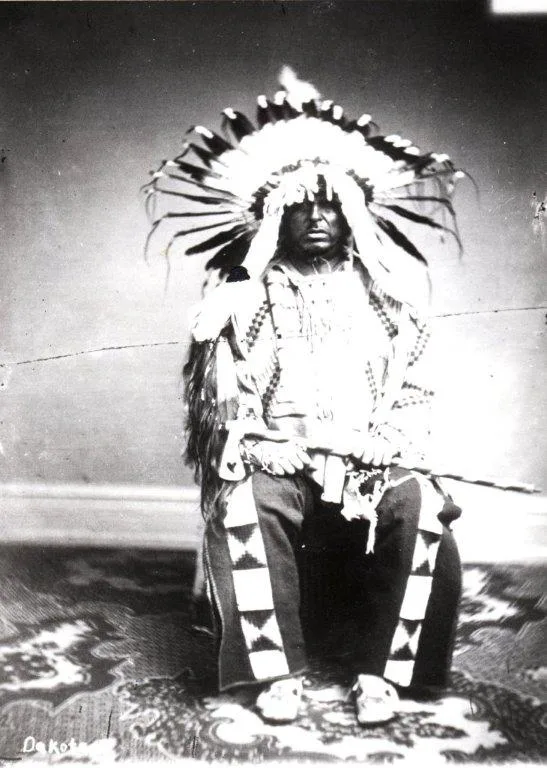
Truthfulness Is the Foundation of All Human Virtues
Wówačhiŋtȟaŋka kiŋháŋ wówačhiŋtȟaŋka tókhel táku wíyakA (Truthfulness is the great strength upon which all other virtues stand).
In the sacred teachings of our ancestors, truthfulness, wówačhiŋtȟaŋka, is not merely the act of speaking what is factual. It is the alignment of our heart, our mind, our spirit, and our actions with the sacred will of Wakȟáŋ Tȟáŋka, the Great Mystery. Truthfulness is the path of the straight road, the čhaŋkú lúta, the red road that leads to spiritual maturity, harmony, and peace.
Without truthfulness, all other virtues—wóksape (wisdom), wóohitike (courage), wówacintanka (fortitude), wówašte (kindness)—become like feathers scattered in the wind. Without a firm root, the tree cannot grow. Without a clear mirror, the face cannot be seen. And without truth, the soul becomes lost in a fog of illusion, unable to recognize its true self or others as sacred relatives.
In Dakota tradition, when one speaks with truth, they are seen as someone who walks in balance—wówačhiŋtȟaŋka owíčakiyA—a person who calls forth trust and respect. To be truthful is to become a keeper of the sacred fire, because your words carry warmth, light, and clarity into the hearts of others. In this way, truthfulness is wóksape wíyawA—a wisdom that illuminates.
But this path is not always easy. To live truthfully is to be accountable, not just to oneself, but to one’s ancestors, to one’s community, and the unborn generations. It means standing in front of Wakȟáŋ Tȟáŋka and saying: “I have done what is right, even when no one was watching.” It is an offering from the inner altar of the soul.
Truthfulness is the first offering on the sacred altar of character. Without it, no prayer can rise, no medicine can heal, and no relationship can endure. But with it, even a humble path becomes holy, and a single word can restore broken trust.
When we speak the truth, we breathe life into our communities. When we live the truth, we build the bridge from this world to the next. Truthfulness anchors us in woiwanke—the vision of our highest self, given by the Creator for this sacred walk on Mother Earth.
Wówačhiŋtȟaŋka is more than honesty. It is spiritual integrity. It is living in a way that our words are prayers, our actions are offerings, and our lives are a reflection of the sacred trust given to us by Wakȟáŋ Tȟáŋka.
From the sacred root of Wówačhiŋtȟaŋka—truthfulness—emerge the other human virtues as branches of the sacred Tree of Life. Each is nourished by the waters of spirit, drawn from the deep well of Wakȟáŋ Tȟáŋka’s guidance. Let us now deepen and expand upon two of these sacred branches: Humility (Wóohola) and Respect (Wówašte).
1. Wóohola – Humility
Wóohola is the quiet strength of one who remembers their place in the sacred circle of life. It is the wisdom of the buffalo, who kneels before the storm to survive it. It is the way of our Elders, who speak softly not because they are unsure, but because their spirit is grounded in truth.
Without truthfulness, humility becomes pretense. But when born from Wówačhiŋtȟaŋka, humility is a radiant garment. It does not seek attention or praise. Instead, it bows before the vastness of the cosmos, acknowledging that all wisdom comes from the Creator.
In our Dakota way, a humble heart is seen as a sacred bowl—wíyakA čhaŋté—ready to receive teachings, prepared to serve. Those who walk with humility do not lift themselves above others, for they understand that every being, from the stone to the star, carries sacred purpose. Even the smallest voice may have the echo of Wakȟáŋ Tȟáŋka’s truth.
Wóohola teaches us: We are not above, we are not below. We walk beside all life. And only when we live in this humility can we truly hear the teachings that come from wind, water, fire, and earth.
2. Wówašte – Respect / Kindness
Wówašte means more than politeness—it is a sacred regard for the spirit within all beings. It is the kindness we show not for approval, but because we recognize the light of the Creator in every face, even in those who are hurting or lost. To walk in Wówašte is to walk in beauty.
But genuine respect cannot exist without truthfulness. If our words are false, our respect is hollow. If we flatter but do not honor, we speak with a forked tongue. But when truthfulness is our foundation, Wówašte becomes a living expression of love, tȟokáhe wówapi, the first teaching, the first way.
In Dakota lifeways, showing respect means living in balance. We respect the roles of women and men, the wisdom of the old ones, and the innocence of the young. We respect the sacred fires, the water drums, the pipe, and the stories that they hold. When we walk with respect, we step lightly on the breast of Mother Earth, knowing she feels our every footfall.
Wówašte also means acting with generosity and gentleness. The act of offering water to a guest, the patience shown to a child, the silent help to an Elder—these are all seeds of respect sown into the garden of life.
Together in Harmony
From Wówačhiŋtȟaŋka flows Wóohola and Wówašte, and from these three flow all other sacred virtues: Wóksape (Wisdom), Wóohitike (Courage), Wówacintanka (Perseverance), and Wócekiya (Prayerfulness). These are not just traits to admire—they are living powers that, when awakened in our hearts, transform our families, our communities, and the world.
Each is like a color in the sacred circle—red, yellow, black, and white—each essential, each shining with meaning, and together forming a wholeness that reflects the sacred image in which we were created.
3. Wóksape – Wisdom
Wóksape is not simply knowledge, nor the accumulation of words and ideas. In our Dakota way, Wóksape is deep inner knowing—a wisdom born of silence, prayer, suffering, and spiritual clarity. It is what the Elders speak of when they say, “That one has sat with the Stone People. That one has listened to the stars.”
Wisdom is the ability to see beyond appearances—to perceive the patterns of life as Wakȟáŋ Tȟáŋka has woven them. It is what allows us to move with care, to speak with discernment, and to act with purpose. But without Wówačhiŋtȟaŋka, wisdom cannot live. For a lie, even cloaked in cleverness, can never become wisdom—it becomes manipulation. And knowledge without truth is like a river without a source: eventually it dries up.
In the sacred stories, it is often the humble, the quiet, or the seemingly weak who possess the greatest wisdom. Because wisdom is not loud—it listens. It does not dominate—it nurtures. Wóksape guides us like the eagle circling high above the land, showing us how each part of life connects to the whole. It reminds us to wait before speaking, to seek understanding before judgment, and to act with wówašte (respect) before force.
True wisdom walks hand in hand with love. It builds up rather than tears down. It is a lamp for our relatives, a medicine bundle for our people. And when it is rooted in truth, it becomes the light of the ancestors living through us.
4. Wóohitike – Courage
Wóohitike is the heartbeat of the warrior, not a warrior of war, but a warrior of spirit. In our Dakota tradition, courage is not measured solely by physical strength, but by the strength to do what is right, even when it is difficult. It is the power to speak truth when others are silent, to love when the world is cruel, and to forgive when our heart is heavy.
This sacred courage flows from Wówačhiŋtȟaŋka because truth is the sharpest arrow in the quiver of the soul. Without truth, courage becomes recklessness. But with truth, courage becomes a sacred action—the rising of the sun within the chest.
Wóohitike means standing up when others sit down, walking forward when fear says to turn back, and protecting the sacred even when it costs us everything. It is the virtue of those who defend the water, the land, and the children. It is the spirit of those who carry the prayers of the people and offer themselves as bridges between the old and the new.
The buffalo does not run from the storm—it walks into it. So too must we, when we are called by the spirit to confront injustice, to heal wounds, and to carry forward the teachings of the ancestors. Wóohitike does not mean the absence of fear—it means walking forward with our fear, but not letting it dictate our actions.
And let us remember: there is no courage without vulnerability. When we admit our faults, seek forgiveness, or open our hearts to love again, we are practicing the most sacred kind of courage. The kind that brings healing.
In the Sacred Hoop of Virtue
From Wówačhiŋtȟaŋka flows a living river of virtue:
– Wóohola (Humility) reminds us we are not above others.
– Wówašte (Respect) reminds us to see the sacred in all life.
– Wóksape (Wisdom) guides our steps with vision.
– Wóohitike (Courage) strengthens us to act when it matters most.
Each is a sacred petal of the Čhaŋnúpa WíyakA (the Sacred Pipe Flower), each bringing balance to the human soul, each necessary for the unfolding of our collective healing.
Would you like to continue with Wówacintanka (Perseverance) and Wócekiya (Prayerfulness) next? Or would you prefer a prayer or reflection weaving these teachings together in a ceremonial invocation?
5. Wówacintanka – Perseverance
In Dakota, Wówacintanka means more than just endurance. It is the long breath of the soul, the ability to remain steady and faithful through hardship, injustice, sorrow, and waiting. It is the strength of those who do not give up—not because the journey is easy, but because the vision is sacred.
Wówacintanka is the teaching of the Grandmother Turtle, who carries her home on her back and moves forward, slowly but with purpose. It is the teaching of those who survived winters of broken treaties, forced removals, and residential schools—and yet continued to sing, to speak the language, to keep the fire alive.
But this perseverance, to be holy, must be rooted in Wówačhiŋtȟaŋka—truthfulness. Without truth, perseverance may become stubbornness, ego, or pride. But when grounded in reality, Wówacintanka becomes an offering of love and loyalty to what is right, what is sacred, what is eternal.
To walk in Wówacintanka is to honor the sacred time of growth. It is to know that seeds do not bloom overnight, that healing takes many seasons, and that the greatest journeys require patience and prayer. The buffalo herd teaches us this—the way they endure wind and snow to reach the calving grounds.
It is whispered among our Elders that the sacred hoop of the people was never truly broken—it was only waiting for those who would carry the teachings with Wówacintanka, without bitterness, without revenge, but with quiet faith that the light would return. And now, that day has come.
6. Wóčhekiya – Prayerfulness
Wóčhekiya is the beating heart of the sacred path. It is the breath we offer before dawn. It is the way we speak to Wakȟáŋ Tȟáŋka not only with words, but with our lives. It is the drumbeat that connects us to the ancestors, to the children yet to come, and to the Spirit that lives in all things.
Prayerfulness is not only the chanting of sacred songs or the lighting of sweetgrass. It is the way we walk, the way we speak, the way we forgive, the way we love. Every act, when done in remembrance of the sacred, becomes Wóčhekiya.
And again, without Wówačhiŋtȟaŋka, there is no real Wóčhekiya. If our hearts are not truthful, our prayers are just words. But when truth is present, our prayers become powerful medicine, carried by the winds to the highest realms. They rise like smoke from the Sacred Pipe—Čhaŋnúpa Wakan—binding heaven and earth.
Wóčhekiya teaches us the importance of humility, connection, and surrender. It reminds us that we are not walking alone. That every step is witnessed. That every tear is seen. That Wakȟáŋ Tȟáŋka is closer than our next breath. In our way, even our silence can be a prayer, even our grief can become a song.
Prayerfulness is how we remember. It is how we stay rooted in the center of the sacred hoop. It is by inviting the spirit to guide us, not with fear, but with trust.
The Sacred Tree of Virtues: Rooted in Truthfulness
At the center of the sacred hoop,
Wówačhiŋtȟaŋka—truthfulness—sits as the root and core. From it blooms:
Wóohola – Humility
Wówašte – Respect and Kindness
Wóksape – Wisdom
Wóohitike – Courage
Wówacintanka – Perseverance
Wóčhekiya – Prayerfulness
These are not simply values—they are sacred forces, living beings, ancient teachers. They form the spiritual architecture of the čhaŋkú lúta, the red road, and together, they restore balance in our hearts, our families, and our nations.