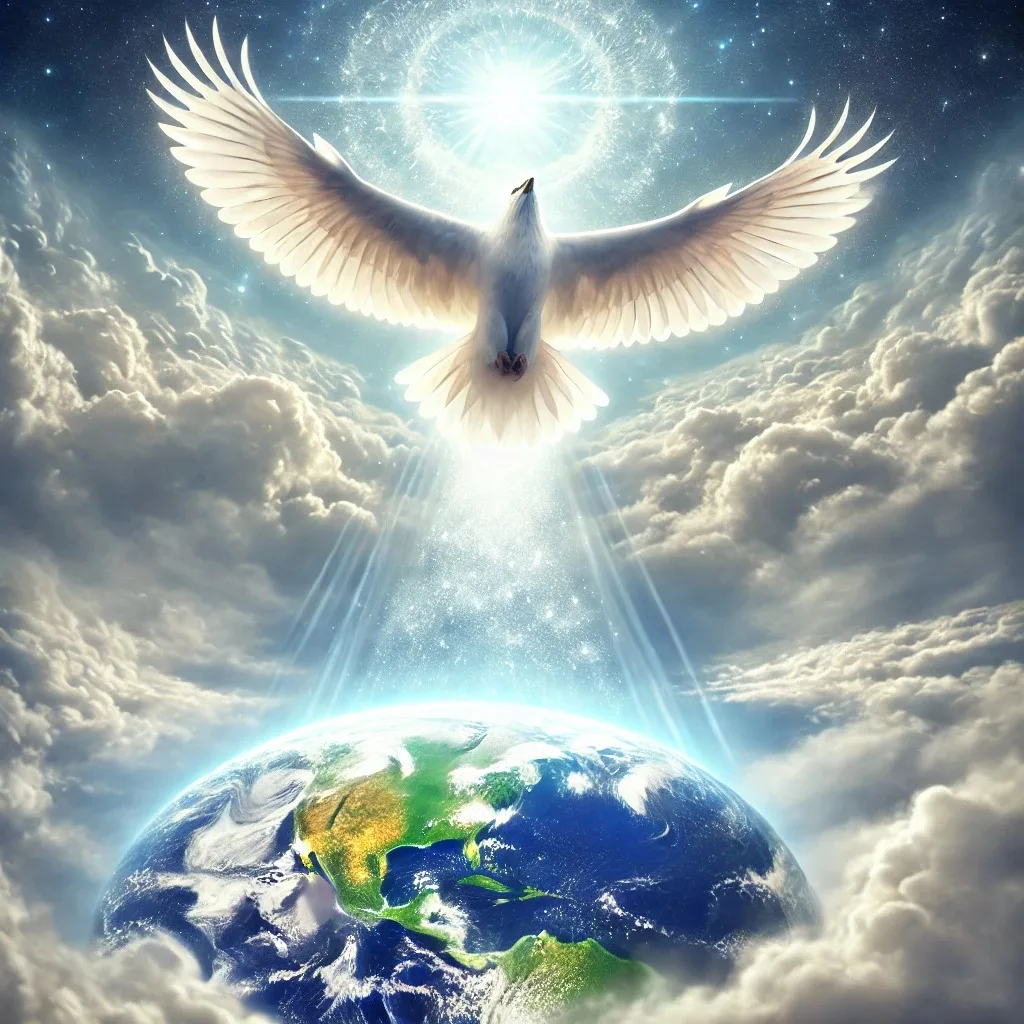
From a Dakota perspective, understanding the spirit's journey is deeply rooted in the sacred teachings passed down through generations. The physical body, or wicą́paha (body or form), is seen as a temporary vessel, a sacred gift from Wakan Tanka, the Great Spirit, to house the wíčahiyuŋpi (soul or spirit) during its time on Makȟóčhe (Mother Earth). When we sleep, it is as though the wicą́paha is in a state of hibernation, much like the quiet stillness of winter, a time when the land rests and prepares for renewal.
In Dakota teachings, the soul, or wanáǧi, is eternal, always connected to the sacred circle of life. When the body rests, the wanáǧi is free to soar like wanbdí (eagle), the messenger of the Creator, who flies high above the world, seeing all from a higher perspective. This flight in sleep reflects the soul's ability to transcend the physical limitations of the wicą́paha and commune with the spiritual realms.
The analogy of the bird and the cage is deeply resonant with Dakota's symbolism. The wanáǧi is like the wanbdí, confined within the body's cage while in this earthly existence. However, when the wicą́paha passes from this world, the wanáǧi is set free, much like the wanbdí released from its cage. In this freedom, the spirit ascends to the higher planes, Wakáŋ Taŋka Owákho (the Great Spirit's dwelling place), where its vision is clear and its understanding profound. This journey is not to be feared but embraced as a return to the source of all creation, a reunion with the ancestors and the Great Mystery.
To think that the wanáǧi would cease to exist when the body dies is like believing the wíyoȟpeyata (the west) is the end of the world rather than the gateway to the okȟóčhe makȟáŋ (the spirit world). Just as the sun sets in the west only to rise again in the east, so too does the spirit continue its journey beyond the confines of this physical existence.
The breaking of the cage, or the transition of the wicą́paha, is not an end but a profound beginning, where the wanáǧi experiences a deeper connection with Wakáŋ Taŋka and the sacred teachings of the universe. The joy of the spirit, now free from the body's limitations, its like the joy of a bird released into the boundless sky, where it can sing its true song and soar to unimaginable heights.
In this way, the Dakota way of understanding life, death, and the spirit affirms that the breaking of the physical bonds is a transition to a greater existence, a return to the sacred circle where all is one and the spirit is at peace, reunited with the Great Spirit in the eternal dance of life.
(My heartfelt thanksgiving to my Tahansi Kevin Locke for helping me from the Spirit World with my Dakota, as he always did in the physical world!)
Čhaŋnúpa Sápa hé miye do! Šuŋkmánu hé miye do, waŋyáŋka úŋ Wakan Tanka etáŋhaŋ wóiyake na wówačhiŋ heháka iyéčhiŋ kiŋ!
"Hinhan Wicášta na Deloria Tióšpaye kiŋ, Ihanktonwan, and Chickasaw Nations