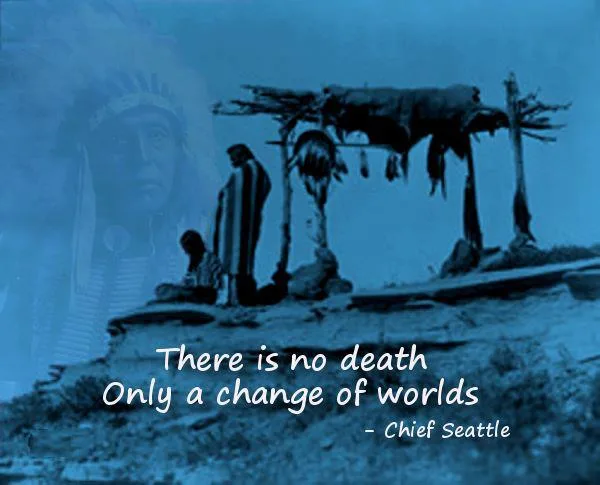
The concept of the soul transcends the limitations of gender, race, ethnicity, and class. It represents the essence of our being, the core that connects us to something greater than ourselves. The soul is not bound by the physical attributes that society often uses to categorize and discriminate against individuals. Instead, it embodies a universal and timeless energy that is devoid of any divisions.
Prejudice, in all its forms, stands in direct opposition to the truth of the soul's nature. Prejudice thrives on the notion of separateness and the belief that certain groups of people are inherently superior or inferior to others. However, when we recognize that the soul is beyond such superficial distinctions, we come to understand that prejudice is not only unfounded but also deeply damaging to the fabric of our shared humanity.
Gender is a societal construct that assigns certain roles, behaviors, and expectations based on an individual's biological sex. However, the soul, being an intangible essence, is not confined by these constructs. It does not possess a gender or conform to the limited binaries that society often imposes. The soul encompasses the full spectrum of human experience and expression, transcending the constraints of masculinity and femininity.
By acknowledging that the soul is genderless, we challenge the norms and stereotypes perpetuating inequality and discrimination. It reminds us that our worth and value as individuals are not determined by our gender but rather by the unique qualities and potential that reside within our souls. Embracing this perspective fosters inclusivity and paves the way for a more equitable and just society.
Similarly, the soul is devoid of any racial or ethnic identity. Race and ethnicity are social constructs that categorize and differentiate people based on superficial physical characteristics and cultural backgrounds. These distinctions have often been used as a basis for prejudice, discrimination, and even violence throughout history.
Recognizing that the soul is not confined by race or ethnicity compels us to confront the fallacy of racial superiority or inferiority. It compels us to acknowledge the inherent dignity and worth of every individual, regardless of their racial or ethnic background. This understanding fosters a sense of unity and promotes the dismantling of systemic racism and the creation of a society that values diversity and embraces the richness of different cultures.
Additionally, the soul is impervious to the constraints of class. Socioeconomic class refers to the division of society based on financial resources, occupation, and social standing. It often perpetuates inequalities and limits opportunities for those who are economically disadvantaged. However, the soul does not bear these societal divisions.
When we recognize that the soul is beyond class distinctions, we challenge the notion that one's worth is determined by wealth or social status. We shift our focus towards the inherent value that each soul possesses, regardless of their material possessions or societal position. This understanding encourages empathy, compassion, and the pursuit of social justice, as we strive to create a world where everyone is treated with dignity and equality.
In conclusion, the soul's essence is characterized by its genderlessness, racelessness, ethnicitylessness, and classlessness. This fundamental truth underscores the imperative of eradicating all forms of prejudice from our societies. By recognizing and embracing the inherent unity of the soul, we lay the foundation for a world that celebrates diversity, inclusivity, and respect for every individual, affirming the oneness of our Creator.