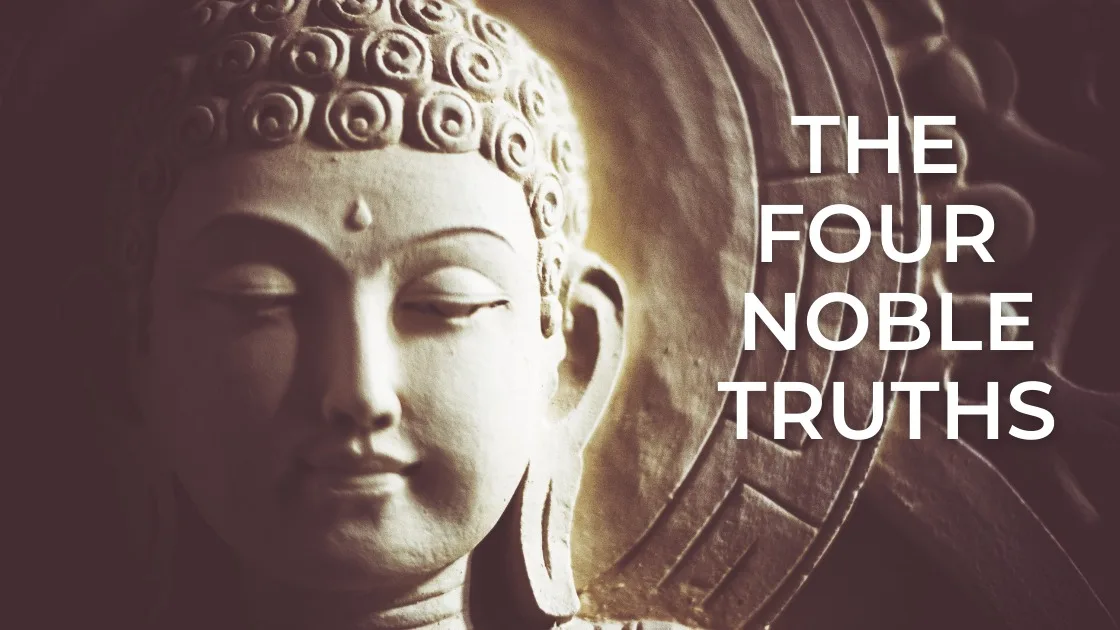
From a Dakota perspective, the Buddha's Four Noble Truths can be understood through the deep spiritual connections and values of the Dakota people, who convey these truths using specific Dakota words.
The Truth of Suffering (Dukkha) - Wačháŋtuŋyaŋ (Hardship/Challenges)The Dakota people understand that life is filled with Wačháŋtuŋyaŋ, or hardships and challenges. This truth reflects the inherent struggles we face in life, whether physical, emotional, or spiritual. Just as a horse (Šúŋkawakȟáŋ) carries burdens across vast distances, we, too, must carry the weight of our challenges. The Dakota recognizes that these hardships are a natural part of life, and through enduring them, we gain strength and resilience.
The Truth of the Origin of Suffering (Samudaya) - Wówašake (Cause/Power)Wówašake refers to the underlying causes of suffering, which are often rooted in desire, attachment, and ignorance. The Dakota people see these forces as powerful energies that must be understood and respected. The buffalo (Tȟatȟáŋka), a symbol of strength and sustenance, embodies this truth. As the buffalo provides for the people, unchecked desires and attachments can nourish or harm us if not properly understood. The Dakota emphasizes the importance of balance and awareness in managing these powerful forces within ourselves.
The Truth of the Cessation of Suffering (Nirodha) - Wówašte (Goodness/Peace) Wówašte represents the possibility of ending suffering and finding peace. The Dakota believe that through spiritual growth and understanding, one can achieve Wówašte—a state of goodness and harmony. This truth is symbolized by the sacred hoop (Ȟokšíčhoka), representing wholeness and the completion of life's journey. When we align ourselves with the spiritual truths and live in harmony with all of creation, we can overcome suffering and experience true peace.
The Truth of the Path to the Cessation of Suffering (Magga) - Wókičhuŋze (The Way/Path)Wókičhuŋze is the path that leads to the end of suffering. The Dakota view this as a journey that requires dedication, integrity, and spiritual guidance. The čhaŋnúŋpa (sacred pipe) and the Tȟokáhe (the first or leader) are symbols of this path, representing the guidance and spiritual practices that help one navigate life's challenges. The sun (Wí) rising in the east symbolizes enlightenment and the wisdom that illuminates the way forward, dispelling the darkness of suffering and leading to a life of balance and peace.
These Dakota interpretations of the Four Noble Truths emphasize the interconnectedness of life and the importance of spiritual awareness, community, and respect for the natural world in overcoming suffering and achieving harmony.