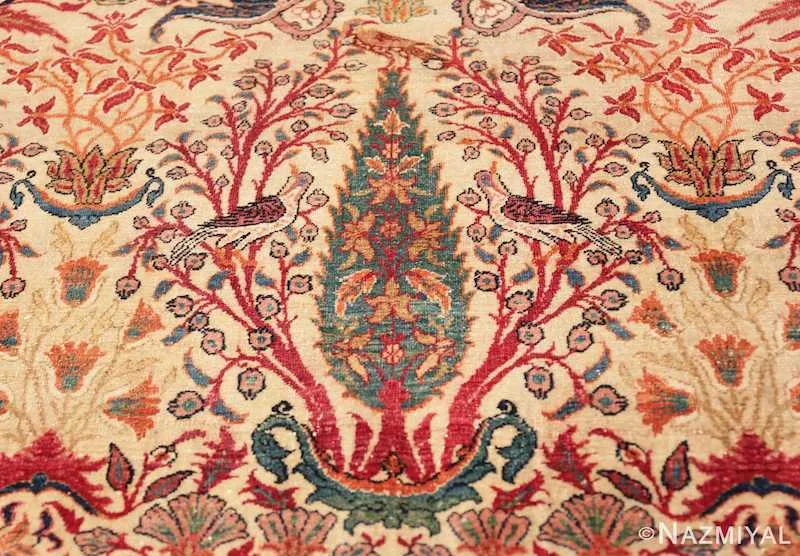
Zoroastrian Tree of Life, the Cypress tree
The Zoroastrian word for tree is the same as the word for “immortality’ and references a life without death or the continuation of life beyond the grave. It is found throughout Zoroastrian poetry in association with prophetic visions or oracles.
One of the most sacred sites in Zoroastrianism is on the Uber Mountain in central Iran. This mountain is the home of an ancient Cypress tree that is said to have witnessed the dawn of Zoroastrianism and the most ancient Persian culture. It is known as the Cypress of Kashmar and is believed to be around 4,000 years old.
In Zoroastrianism, cutting down a cypress tree is believed to be bad luck. It is said that when you cut down a cypress tree, you cut your own fortune and open yourself to illness or misfortune. Cypress trees were planted around temples and were used to shade the graves of people of religious importance. The cypress tree is one of the most important symbols in Zoroastrianism.