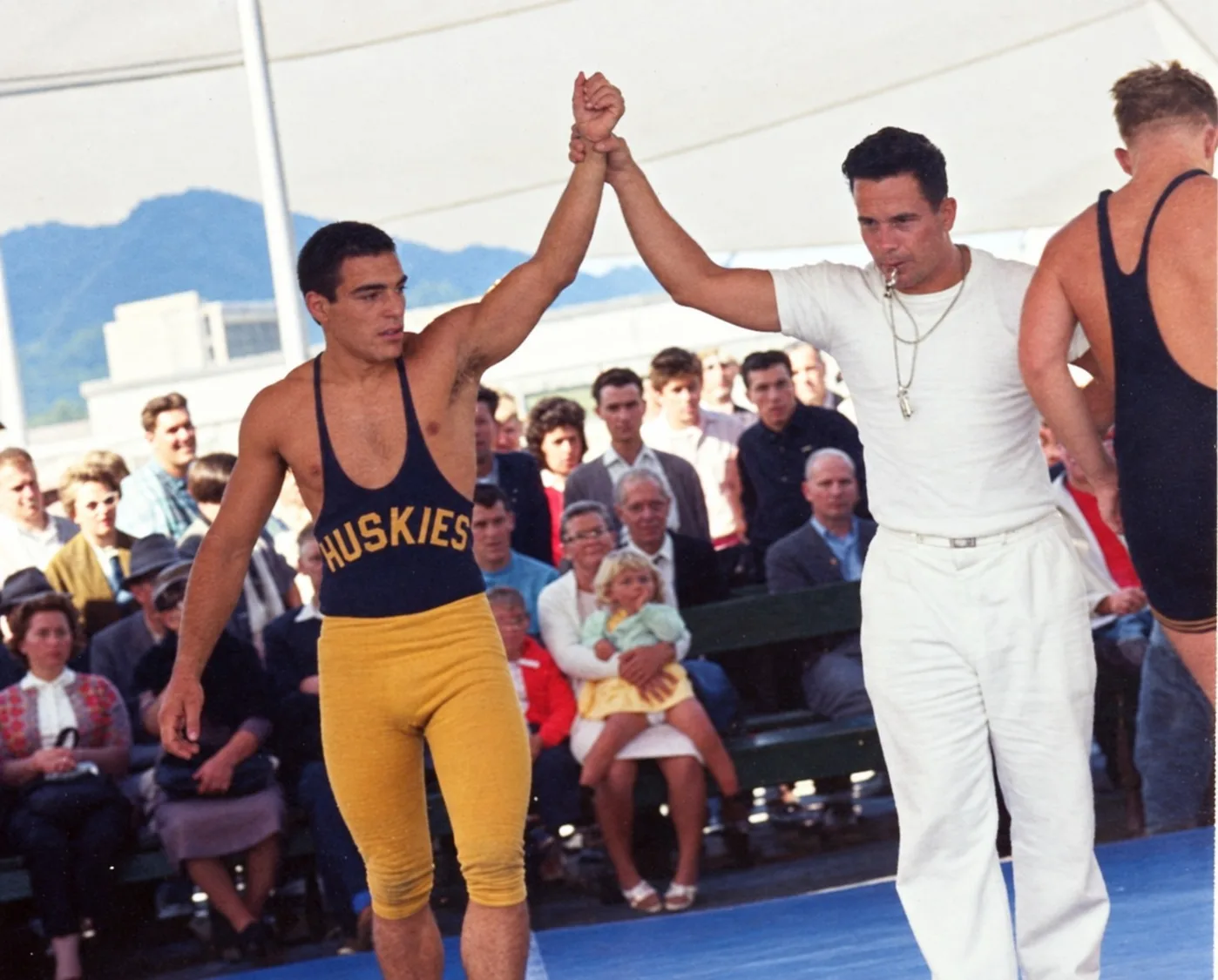
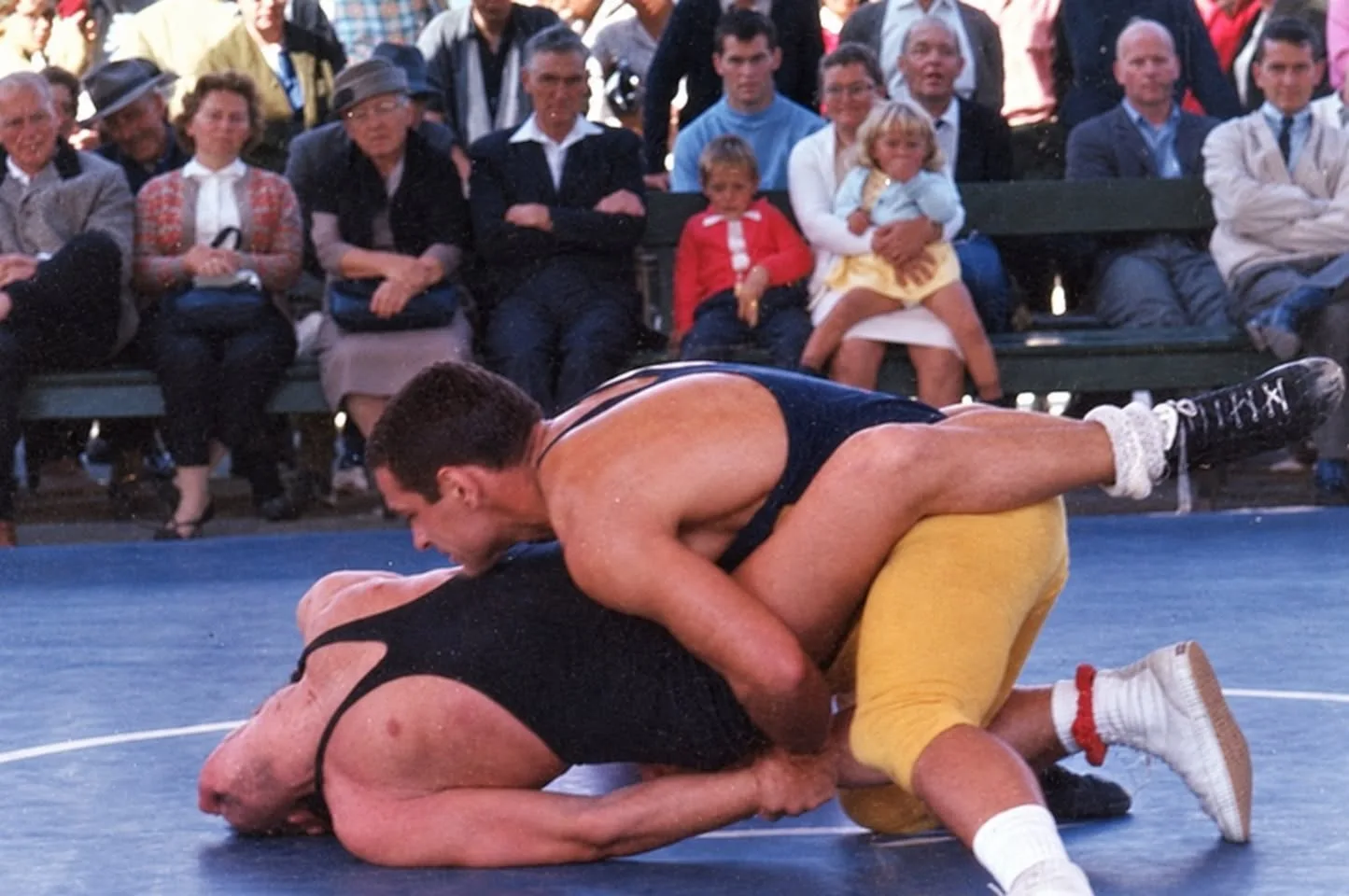
This was the championship match at the Canada–United States Invitational Wrestling Tournament in Vancouver, held in late August 1967 during the Centennial celebration of Canada’s birth as a nation.
I had trained intensely all summer, as I always did for every wrestling season and every important match, sometimes even to the point of overtraining. I wanted to walk onto the mat knowing that I had trained harder than my opponents. I had run farther than they had run, lifted more weights than they had lifted, practiced my wrestling moves more than they had practiced theirs, and, above all, I wanted to win more than they did.
During our regular wrestling season, when everyone else had finished practicing and left the gym, I would remain behind and run the stairs for another twenty or thirty minutes. Even after a full practice, when my body was already tired, I continued pushing myself beyond what was expected.
I never wanted to walk onto a mat wondering whether I could have trained harder or been better prepared. Whatever the outcome, I wanted to know I had given everything possible.
By the time I arrived at the Canada–United States Invitational Tournament, I was physically prepared, mentally focused, and determined to win decisively.
Every opponent I faced was defeated before the end of the second round. Only my final opponent, the Canadian champion, made it into the third and final round. I pinned him early in that final round and won the championship.
As you can see, the relatives in the audience did not cheer when I pinned their Canadian champion. Before I completed the pin, however, I made sure everyone watching understood that what was happening was no accident.
I had him in complete control, and I deliberately held the position long enough to make it unmistakably clear. Then I pinned him without difficulty. I wanted no uncertainty about who had won that championship or how decisively it had been won.
At that time in my life, every opponent I faced became George Armstrong Custer, and every wrestling match became the Battle of the Greasy Grass—the Little Bighorn. When I walked onto the mat, I carried the anger, hatred, and rage I felt over everything that had been done to our Indigenous Peoples.
I carried the memory of our lands being taken, our children being taken from their families, our ceremonies being outlawed, our people being imprisoned and killed, and entire generations being wounded by colonization, oppression, and injustice.
I was not pretending that anger, hatred, and rage were absent. It was present, and it was powerful. In those days, I wrestled and played football, empowered by that anger, hatred, and rage. I drew energy from it, focused it, and released it through football and wrestling. It may have helped make me a strong and successful wrestler. It may have helped me overpower my opponents and win some championships. But it was not the answer.
That was one of the deepest lessons life would eventually teach me. A person is not always defeated on the wrestling mat. The far greater defeat can come later, through everything a person may feel compelled to do to cover up the unhealed pain beneath the anger, hatred, and rage. If we do not face that pain, it can begin to shape our choices, damage our relationships, and consume our lives. It can take us down far more completely than any opponent ever could.
No matter how physically strong we may become, no matter how many matches we may win, and no matter how disciplined we may be, we cannot outrun the wounds carried within us.
We must turn toward them. We must understand them, walk through them, heal them, and finally let them go—not by denying what happened, excusing injustice, or forgetting those who suffered, but by refusing to allow that pain and hatred to possess the rest of our lives.
In the end, there is only one way to walk freely through this life: we must release the hatred while keeping the truth. We must transform anger into courage, pain into compassion, and suffering into a determination that others will not have to endure what we endured.
Looking back now, I understand that everything I went through was not punishment. It was preparation—preparation for this very day in which we now live, preparation for the responsibilities I would later carry, and preparation for the lifelong work of healing, justice, unity, and peace.
The discipline I developed in wrestling never left me. But over time, I learned that the greatest struggle is not against the opponent standing across the mat.
The greatest struggle is within ourselves: to face our deepest wounds without allowing them to destroy us, to tell the truth without becoming imprisoned by anger, hatred, and rage, and to transform what was meant to defeat us into strength that can help heal our Peoples and serve our Human Family.