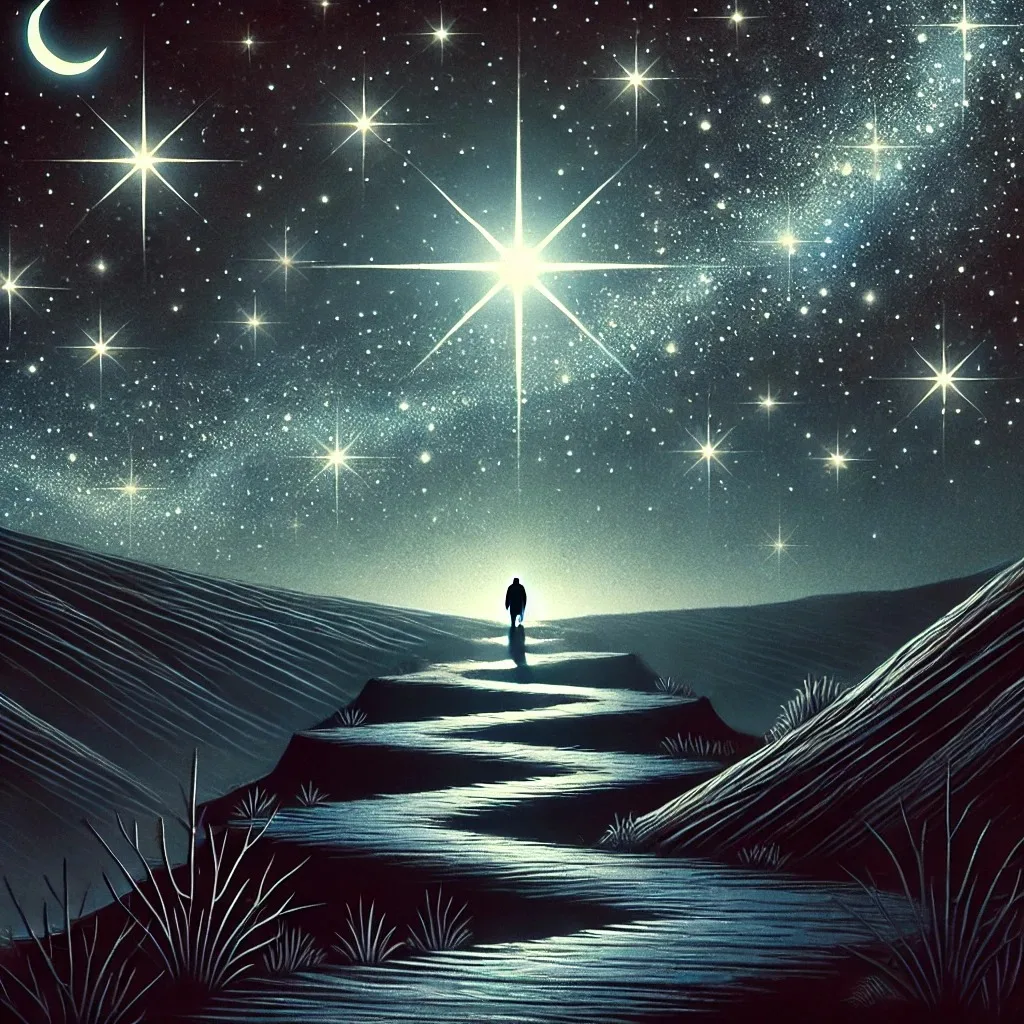
From my perspective, the journey of the human spirit through suffering and tribulation is like the Sacred Sun Dance between the physical and spiritual realms. In Dakota teachings, Ina Maka, Mother Earth is revered as a living, breathing being that sustains all life.
When Mother Earth is plowed, it may be seen as not merely a physical act but a spiritual one, symbolizing the preparation of our inner selves for growth and transformation. Mother Earth, when turned by the plow, represents our beings being turned and prepared by the hardships we face.
The Dakota word Wówačhaŋtognaka refers to deep spiritual reflection and the cultivation of inner wisdom. This process is essential in freeing us from this physical world's wóoyake, distractions, and illusions. Just as Mother Earth must be purified of weeds and thistles, our spirits must be purified of the ičhúŋka, the attachments that bind us to worldly concerns.
Wakȟáŋ—the sacred force that flows through all things—teaches us that suffering is not a punishment but a transformative process, like the fire that hardens and matures raw clay into a vessel of beauty and purpose. This fire of suffering, or ožížaŋ, is necessary to mature our spirits, moving us from a state of wašté šni, or immaturity, to a state of Wówačhantognaka, where we are fully ripened and ready to serve our greater purpose.
As we endure ožížaŋ, we are drawn closer to Wóyute, the spiritual nourishment that sustains us. This nourishment allows us to rise above the fleeting nature of worldly existence and embrace the eternal joy of Wičháȟpi—the stars representing our ultimate return to the Creator. In this way, suffering is a sacred path to Wókaŋ, divine happiness, where our spirits find their true place in the vast circle of life, no longer burdened by the temporary concerns of this world but uplifted by the eternal truths that guide us. The understanding of Wókaŋ enlightens us and guides our journey.
The greatest leaders and Wičháša Wókiksuye (men of wisdom) among the Dakota have understood this path well. They have walked through the fire of suffering, emerging not only as wise and compassionate leaders but as shining examples of the transformative power of Wówačhantognaka. Their lives, filled with wisdom and compassion, remind us that in the depths of our trials, we are being prepared, like the earth, to bear the fruit of spiritual wisdom and to stand firm in the face of life’s challenges, always guided by the principles of Wóohoda (respect), Wówačhaŋtognaka, and Wókaŋ.
In this understanding, suffering is not something to be feared or avoided but embraced as a sacred opportunity for growth, a journey towards Wókaŋ—a divine state of being where we are fully aligned with the Creator's will and the harmonious flow of life.