DRAFT in English, Spanish, and Dutch
This perspective includes all colonizers, with the understanding that only Colonized People Colonize People, only Abused People Abuse People and only Hurt People Hurt People.
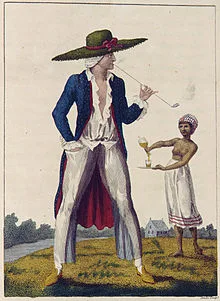
For the Netherlands to reconcile the colonial abuses in Indonesia, Suriname, and other nations they colonized, it is crucial to address these historical realities.
1) Acknowledge historical atrocities:
The Netherlands should explicitly acknowledge the colonization, exploitation, and genocide committed during their colonial rule in Indonesia, Suriname, and other affected regions. This includes recognizing the Indonesian National Revolution, the violence in Aceh, the atrocities during the Dutch East Indies era, and the transatlantic slave trade in Suriname and other members of our Human Family they colonized!
2) Truth-seeking and documentation:
Promote comprehensive research, documentation, and dissemination of historical facts related to colonial abuses, including genocide, forced labor, displacement, and cultural assimilation. This will help establish an accurate understanding of the past and provide a basis for addressing the consequences.
Facilitate public discussions and dialogues: Encourage open and inclusive public discussions to address the historical injustices and their ongoing impacts. This can involve platforms for survivors, historians, activists, and policymakers to engage in dialogue, share experiences, and work toward reconciliation.
3)Reparations and restitution:
Consider reparations and restitution measures specifically designed to address the harm caused by colonial abuses. This may involve financial compensation, returning cultural artifacts, supporting cultural revitalization efforts, and investing in infrastructure development to rectify historical imbalances.
Memorialization and commemoration: Establish memorials, museums, and commemorative spaces to honor the victims of colonial abuses and genocide. These spaces can serve as reminders of the past and provide educational opportunities for reflection, empathy, and learning.
4) Collaborative research and education:
Foster partnerships between Dutch and affected nations' educational institutions to develop curriculum materials that provide an accurate and inclusive understanding of colonial history. This should include teaching about the colonial abuses and genocides committed in these regions.
Engage affected communities: Involve the affected communities in decision-making processes regarding reconciliation efforts. Seek their input, perspectives, and leadership to ensure their voices are heard, and their needs are addressed.
5) Promote cultural exchange and cooperation: Encourage cultural exchange programs, artistic collaborations, and initiatives that promote mutual understanding, respect, and appreciation of the diverse cultures impacted by colonization. This can facilitate healing, bridge divides, and foster stronger relationships between the Netherlands and the affected nations.
Reconciling colonial abuses requires a comprehensive and ongoing commitment to address historical injustices and work towards a more equitable and just future. It is essential to tailor the reconciliation process to the specific needs and aspirations of the affected communities while actively listening to their voices and ensuring their active participation.
Hereditary Chief Phil Lane Jr, Ihanktonwan and Chickasaw Nation
Chairperson-Four Worlds International Institute
Council Member-Union of the Condor, Hummingbird, Quetzal, and Eagle
Co-Founder-The United Religions Iniative
Member-Evolutionary Leaders
Member Council of Elders of the American Indian Science and Engineering Society (AISES)
ONTWERP.
Als Nederland de koloniale misstanden in Indonesië, Suriname en andere door haar gekoloniseerde landen wil verzoenen, is het van cruciaal belang deze historische realiteiten aan te pakken. Hier volgen enkele aanvullende punten om te overwegen:
1) Erken historische wreedheden:
Nederland zou expliciet de kolonisatie, uitbuiting en genocide moeten erkennen die zij tijdens hun koloniale overheersing in Indonesië, Suriname en andere getroffen gebieden hebben gepleegd. Dit omvat de erkenning van de Indonesische Nationale Revolutie, het geweld in Atjeh, de wreedheden ten tijde van Nederlands-Indië, en de transatlantische slavenhandel in Suriname en andere leden van onze Menselijke Familie die zij koloniseerden!
2) Waarheidsvinding en documentatie:
Bevorderen van uitgebreid onderzoek, documentatie en verspreiding van historische feiten in verband met koloniale misstanden, waaronder genocide, dwangarbeid, ontheemding en culturele assimilatie. Dit zal bijdragen tot een nauwkeurig begrip van het verleden en een basis bieden voor het aanpakken van de gevolgen.
Openbare discussies en dialogen vergemakkelijken: Moedig open en inclusieve publieke discussies aan om het historische onrecht en de aanhoudende gevolgen ervan aan te pakken. Dit kan platforms omvatten voor overlevenden, historici, activisten en beleidsmakers om een dialoog aan te gaan, ervaringen uit te wisselen en te werken aan verzoening.
3) Herstel en restitutie:
Overweeg herstel- en restitutiemaatregelen die specifiek bedoeld zijn om de door koloniale misstanden veroorzaakte schade aan te pakken. Dit kan financiële compensatie inhouden, teruggave van culturele artefacten, steun voor culturele heropleving en investeringen in infrastructuurontwikkeling om historische onevenwichtigheden recht te trekken.
Herdenking en herdenking: Oprichten van gedenktekens, musea en herdenkingsruimten om de slachtoffers van koloniaal misbruik en genocide te eren. Deze ruimtes kunnen dienen als herinnering aan het verleden en bieden educatieve mogelijkheden voor reflectie, empathie en leren.
4) Onderzoek en onderwijs in samenwerkingsverband:
Bevorderen van partnerschappen tussen onderwijsinstellingen in Nederland en de getroffen landen om lesmateriaal te ontwikkelen dat een nauwkeurig en inclusief begrip van de koloniale geschiedenis biedt. Dit omvat onderwijs over de koloniale mishandelingen en genocides die in deze regio's zijn gepleegd.
Betrokkenheid van de getroffen gemeenschappen: De getroffen gemeenschappen betrekken bij de besluitvorming over verzoeningsinspanningen. Vraag naar hun inbreng, perspectieven en leiderschap om ervoor te zorgen dat hun stem wordt gehoord en dat in hun behoeften wordt voorzien.
5) Culturele uitwisseling en samenwerking bevorderen: Stimuleer culturele uitwisselingsprogramma's, artistieke samenwerkingen en initiatieven die wederzijds begrip, respect en waardering bevorderen voor de diverse culturen die door de kolonisatie zijn getroffen. Dit kan genezing vergemakkelijken, kloven overbruggen en sterkere relaties tussen Nederland en de getroffen landen bevorderen.
Verzoening van koloniale misstanden vereist een alomvattende en voortdurende inzet om historische onrechtvaardigheden aan te pakken en te werken aan een rechtvaardiger en rechtvaardiger toekomst. Het is essentieel dat het verzoeningsproces wordt afgestemd op de specifieke behoeften en aspiraties van de getroffen gemeenschappen, waarbij actief naar hun stem wordt geluisterd en hun actieve deelname wordt gewaarborgd.
Eerwaarde Chief Phil Lane Jr, Ihanktonwan en Chickasaw Nation
Voorzitter-Four Worlds International Institute
Raadslid-Vereniging van de Condor, Kolibrie, Quetzal en Adelaar
Mede-oprichter - De Verenigde Religies Initiatief
Lid - Revolutionaire Leiders
Lid Raad van Ouderen van de American Indian Science and Engineering Society (AISES)