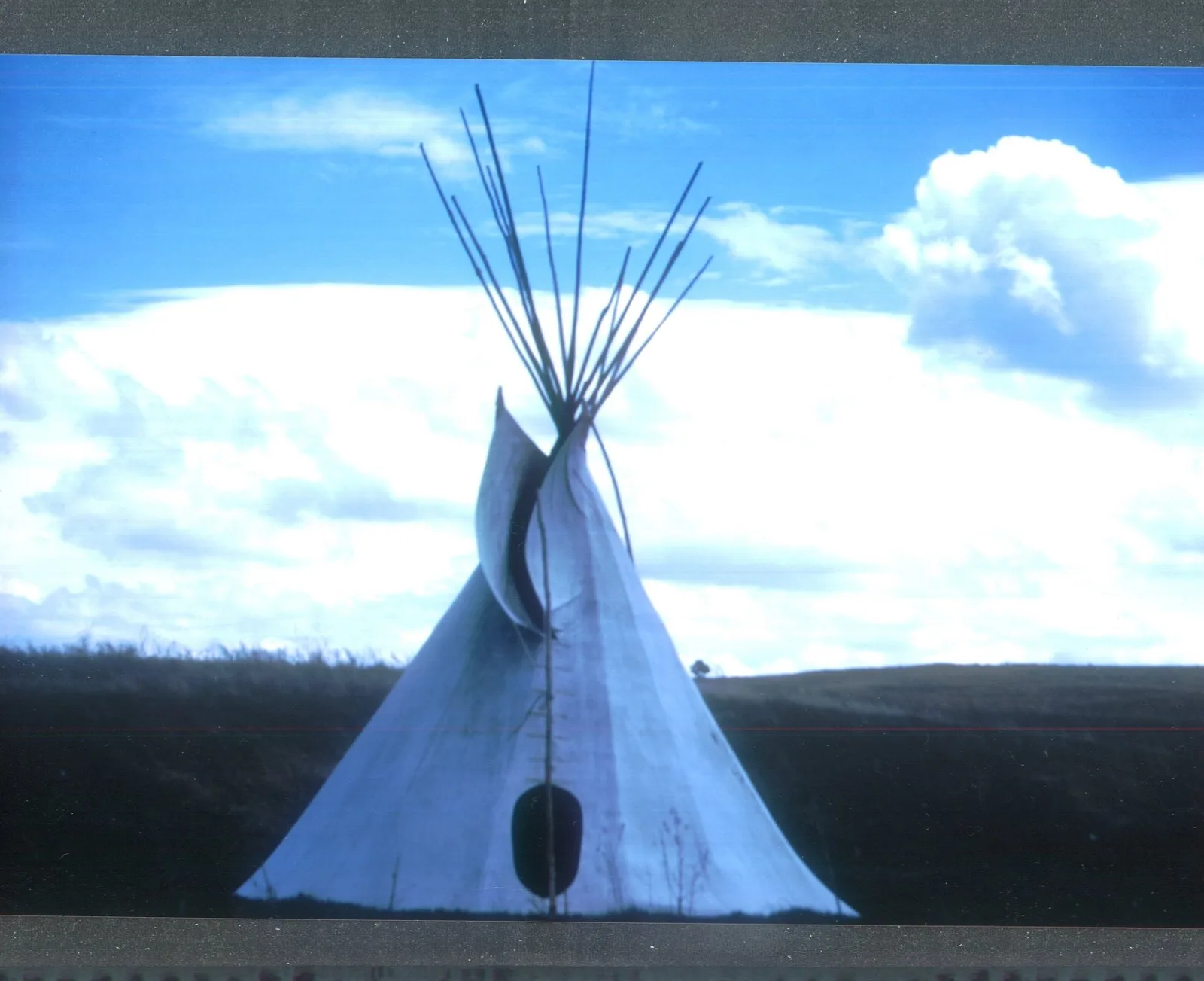
COP21-Critical State of Our Mother Earth --ACTION POINT 13
Facilitate decision-making by leaders, so that decisions remain beneficial for seven generations into the future, a policy known by Indigenous people as "Seven Generations" decision-making. In the Ihanktowan Dakota Traditions, the thirteenth tepee pole is the women's pole, around which the hide or canvas is wrapped. The other twelve poles are erected first, and then the thirteenth pole is lifted into place and the skin of the tepee is unwrapped around the others, covering all. Without this pole, of course, there is no shelter.
Scientific evidence shows that the toxic pollution of industrial culture is poisoning the wombs of woman-kind , infecting our future generations, causing disease, diabetes, obesity, birth defects, and cancers. This is chemical violence. These toxics are breaking the thirteenth pole, harming our women and all women, endangering unborn children, so that there may not be a seventh generation. Short term decision-making for money is the opposite of seventh generation decision-making.