It is an undeniable truth that our world faces a deepening array of complex and interconnected challenges that transcend national boundaries. These challenges, ranging from climate change and environmental degradation to poverty, inequality, and armed conflicts, profoundly impact every individual and community, regardless of their geographic location or socioeconomic status.
In recent years, world and national leaders have come together at prominent international gatherings like the Annual Convention on Climate Change COP), the World Economic Forum (WEF), the G7 Summit, the G20 Summit, the Group of Twenty (G20), the United Nations General Assembly (UNGA), the United Nations Climate Action Summit, World Health Assembly (WHA), the International Labour Conference (ILC): Organized by the International Labour Organization (ILO), the World Summit on Sustainable Development (Rio+20), the UN World Humanitarian Summit, theInternet Governance Forum (IGF), the Sustainable Development Goals (SDG) Summit, the Global Biodiversity Summit, and other National, Regional and Local meetings to address these pressing issues.
These gatherings and numerous other regional, national, and international forums have served as platforms for dialogue, knowledge exchange, and policy formulation. They have allowed leaders to recognize the interconnectedness of global challenges and the shared responsibility to find solutions.
Numerous studies and research initiatives conducted by concerned groups and United Nations agencies have provided valuable insights into our Human Family's multifaceted challenges. These studies offer evidence-based assessments of environmental degradation, social inequalities, economic disparities, and geopolitical conflicts.
These studies have identified the problems and proposed solutions and strategies to address them effectively. The wealth of knowledge available from these sources leaves no room for ignorance about the requirements to create a just, peaceful, and harmonious world for all life.
Despite recognizing these challenges and the availability of potential solutions, there appears to be a "paralysis of will and action" preventing the necessary progress. This inability to move forward is characterized by a reluctance to prioritize collective global interests over narrow personal or national self-interests.
In part, the reluctance to commit to concerted global action is from the perception of an inevitable adversarial nature of humankind. Some individuals and nations do not believe in humanity's ability to overcome deeply ingrained divisions and collaborate to resolve global issues.
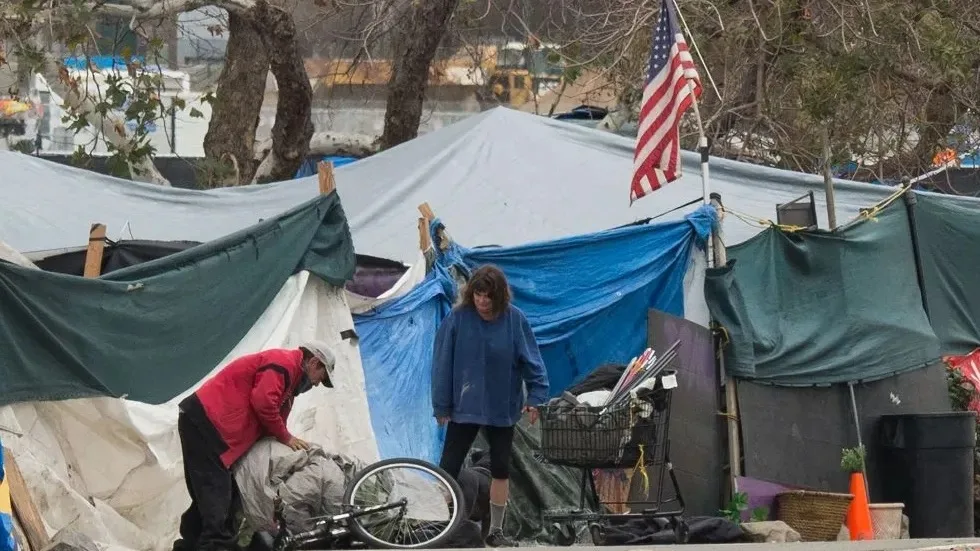
The living conditions of many uninformed and oppressed masses within our Human Family also contribute to this situation. Those lacking access to basic, culturally respectful, universal education and opportunities to shape their future are disadvantaged in advocating for a more harmonious and prosperous world.
The inability of these marginalized communities to articulate their desires and needs hampers progress toward finding inclusive and sustainable solutions to global challenges. Consequently, their potential contributions to collective transformation are hindered, reinforcing and deepening the existing disparities in our world.
Addressing the primary question of achieving a fundamental transformation in our world necessitates overcoming the gridlock that inhibits collective action. It demands challenging the prevailing mindset that prioritizes self-interests over the common good and cooperation.
There is a pressing need to foster a sense of global citizenship and interconnectedness among individuals and nations alike. Embracing a shared vision for a better future that values harmony, understanding, and collective well-being is essential in transcending the barriers impeding our progress.
Empowering the uninformed masses of our Human Family through culturally-respectful universal education is paramount in actively empowering them to participate in decision-making. Providing access to knowledge, information, and resources will empower individuals to contribute to shaping a world where peace, prosperity, and sustainable development prevail.
Transforming our world to achieve harmony and cooperation necessitates a change in mindset, an unwavering commitment to prioritizing the common good, and proactive engagement in finding sustainable solutions. It calls for bold leadership, transformative policies, and a genuine desire to build bridges of unity and understanding to secure a brighter future for all members of our Human Family.
The global challenges facing our world have garnered the recognition of national and international leaders. have underscored the urgency of addressing these challenges, and have given rise to the Sustainable Development Goals at the United Nations. However, a "paralysis of will and action" persists, hindering collective progress.
Overcoming this inertia requires challenging adversarial mindsets and prioritizing global cooperation and unity. Empowering marginalized communities through education is crucial in fostering this positive change. By working together with a shared commitment to building a better world, we can achieve a more just, peaceful, and harmonious future for all life on Mother Earth.