From my Dakota perspective, I am increasingly understanding that life's challenges and trials are wóiyokiphi, sacred teachings, wóyawašte, gifts from Wakan Tanka, the Great Spirit, meant to deepen our understanding of ourselves, our purpose, and our connection to all that exists.
Difficulties are not mere burdens! Difficulties are the owíčahipi, the chisels shaping the stone of our spirit, the fires purifying the essence of who we are. In every hardship lies the potential for profound transformation, just as the harsh winds of waniyetu (winter) prepare the land to renew wíothíhaŋwi (spring).
When we witness the struggles of our Human Family, we are reminded of the resilience of Ina Maka (Mother Earth) herself. Like the ground that becomes more fertile when plowed and turned, our souls are enriched by the trials we endure.
When pruned, a tree's branches reach higher toward the sky, symbolizing our ability to grow stronger and closer to the Wakan (Sacred) through adversity. Just as gold becomes purer in the fire, our spirits are refined by the sacred trials we face.
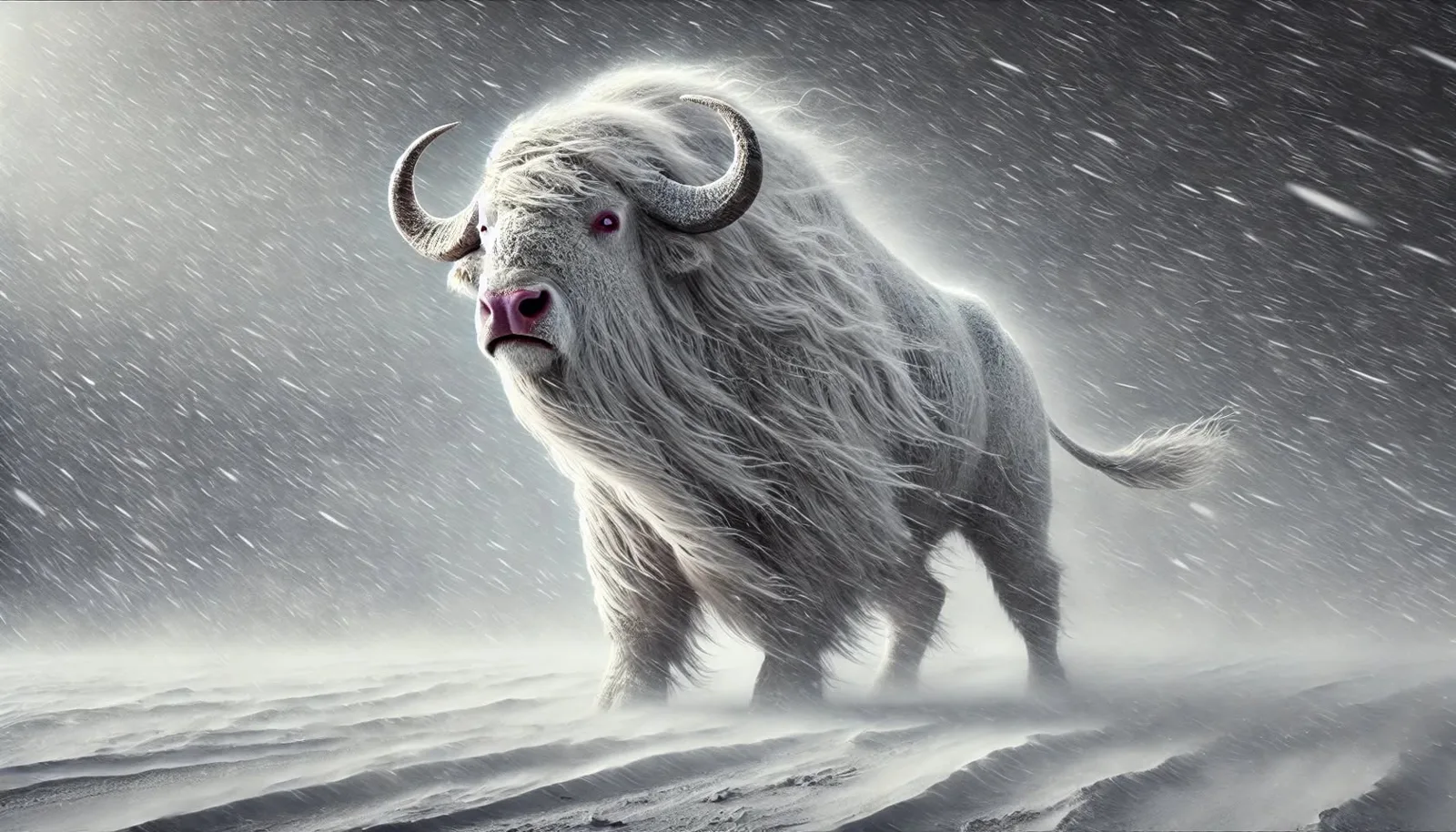
The Messengers of Wakan Tanka, those who walk the Sacred Path, have constantly been tested by the storms of life. These tribulations are not curses but part of the sacred path, for the tatanka (buffalo) learns to navigate the greatest storms by facing them head-on, teaching us the power of resilience.
Through these experiences, wóksape (wisdom) blossoms, and understanding deepens. The storms of life are not enemies but powerful allies in our journey to wohwáŋčhaŋ (balance) and unity, reminding us that we are all part of a shared journey.
We honor the woíčadaŋ (grinding stone) and the sacred fire as symbols of transformation. The steel that cuts with precision has faced the friction and heat necessary to shape it into its purpose.
Similarly, when we endure sorrow, it is the grinding of our spirit against the stone of experience, the purification of our being through the fire of life’s trials. In this way, sorrow and joy are intertwined, each necessary for the other to reveal its full beauty and meaning.
This is why we can look upon sorrows with reverence, for they are not signs of abandonment but proof of the Great Spirit’s trust in our capacity to grow. We say, Mitákuye Oyás’iŋ—we are all related—and in this unity, we see that each challenge one of us faces contributes to strengthening the whole.
Our tribulations are part of the sacred story of all life, shaping humanity's and Ina Maka's collective journey toward harmony and balance.
How can we say we love ourselves and yet be happy for sorrows? It is not to diminish our pain but to honor the sacred journey it represents.
May we all have the resilience of the tree that bends but does not break, the courage of the wanblí (eagle) soaring against the wind, and the wisdom of the mní (water) that carves through stone over time. Our sorrows are the songs of the Čhaŋgléska Wakan (Sacred Hoop), reminding us of the beauty that emerges from the balance of light and shadow, joy and suffering.
Take heart in knowing that Wakan Tanka walks with us, that the Peta Wakan (Sacred Fire) burns within us, and that, through every difficulty, the web is becoming more perfectly aligned with the Creator's purpose. Let us continue to walk this path together, grateful for the sacred lessons each step provides.
Mitákuye Oyás’iŋ. We are all related.
Šúŋkmanu Hé Miyédo! Čhaŋnúpa Sápa Hé Miyédo!
Ĥeȟáŋ Wičhášta/Delória Tiwašpaye, Iháŋktȟuŋwaŋ, and Chickasaw Nations.