How Merit-Based Systems May Cause Greater Injustice
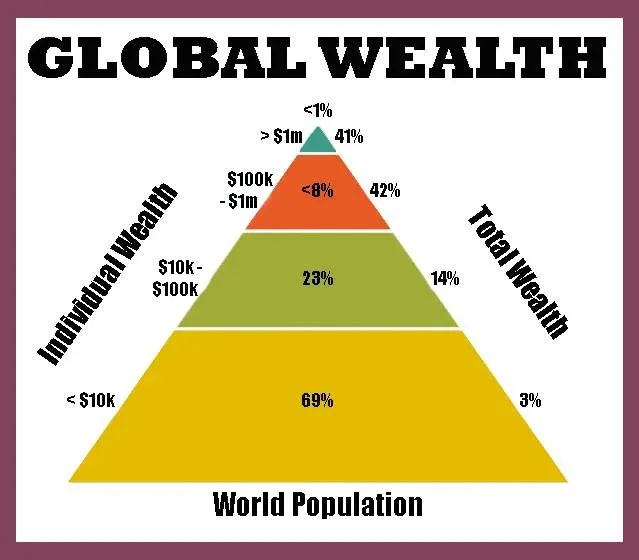
When implementing merit-based systems in unjust, unequal environments, the need for equal opportunities becomes paramount. Wealth, education, and resource disparities create significant barriers, particularly for those from disadvantaged backgrounds, who face systemic obstacles that make it nearly impossible for them to compete on equal footing. This perpetuates a cycle of inequality, where meritocracy becomes an illusion, favouring those already privileged.
Without addressing the root issues of unequal access to education and resources, merit-based systems fail to deliver fairness or justice, reinforcing social and economic divides. To achieve true meritocracy, we must ensure equal opportunities for all, addressing the systemic inequalities that prevent fair competition.
A true merit-based system requires an equal foundation for everyone, with education playing a pivotal and non-negotiable role. It is crucial that everyone can access the same high-quality, culturally respectful education. This ensures that all individuals can compete fairly regardless of background.
However, when merit-based systems are implemented in unjust environments where disparities in education and resources exist, they fail to deliver fairness. Such systems favor the already privileged, perpetuating inequality and preventing true competition. Addressing these systemic inequalities, particularly in education, is crucial to achieving a fair meritocracy and equal opportunities.
The concept of a merit-based system can be illustrated through the symbolism of a circle, which represents equality, justice, and unity. In a healthy community, each member has an equal place in the circle, just as everyone should have equal access to education and opportunities.
However, when some relatives of our Human Family are denied these opportunities, it's like having a broken circle. In a broken circle, the harmony and fairness that should exist are disrupted, just as in a society where some individuals are denied equal access to education and opportunities, the harmony and fairness of a true meritocracy are disrupted.
The natural world teaches us that everything is interconnected; just as a tree needs balanced soil, water, and sunlight to grow, people need balanced opportunities to thrive. When a merit-based system is imposed in an unjust environment, it's like expecting a tree to grow without water. To truly honor the merit principle, we must ensure that the roots of opportunity are nurtured equally for all, creating a strong, unified circle where everyone can flourish.
As well, imagine a 400-meter track where runners are competing, but not everyone starts at the same distance from the finish line. Some begin near the final stretch, symbolizing those born into privilege or access to resources. Others start much farther back, representing those denied equal opportunities like education, healthcare, or support systems.
Although the race is the same, the conditions are not. This unequal starting point distorts the very essence of meritocracy.
The effort and ability of a few starting farther back may surpass others, but systemic disadvantages inherently limit all those who do not have an equal starting point. Meanwhile, those closer to the finish line may succeed with less effort simply because they had an unfair head start.
A true merit-based system would ensure that every runner starts at the same point on the circle of opportunity. Only then can the race be fair and reflective of true merit, just as the circle symbolizes justice, unity, and equality. We cannot claim a genuine meritocracy until we mend the broken circle of unequal access.
Lala, Deksi, Ate, and Brother Phil