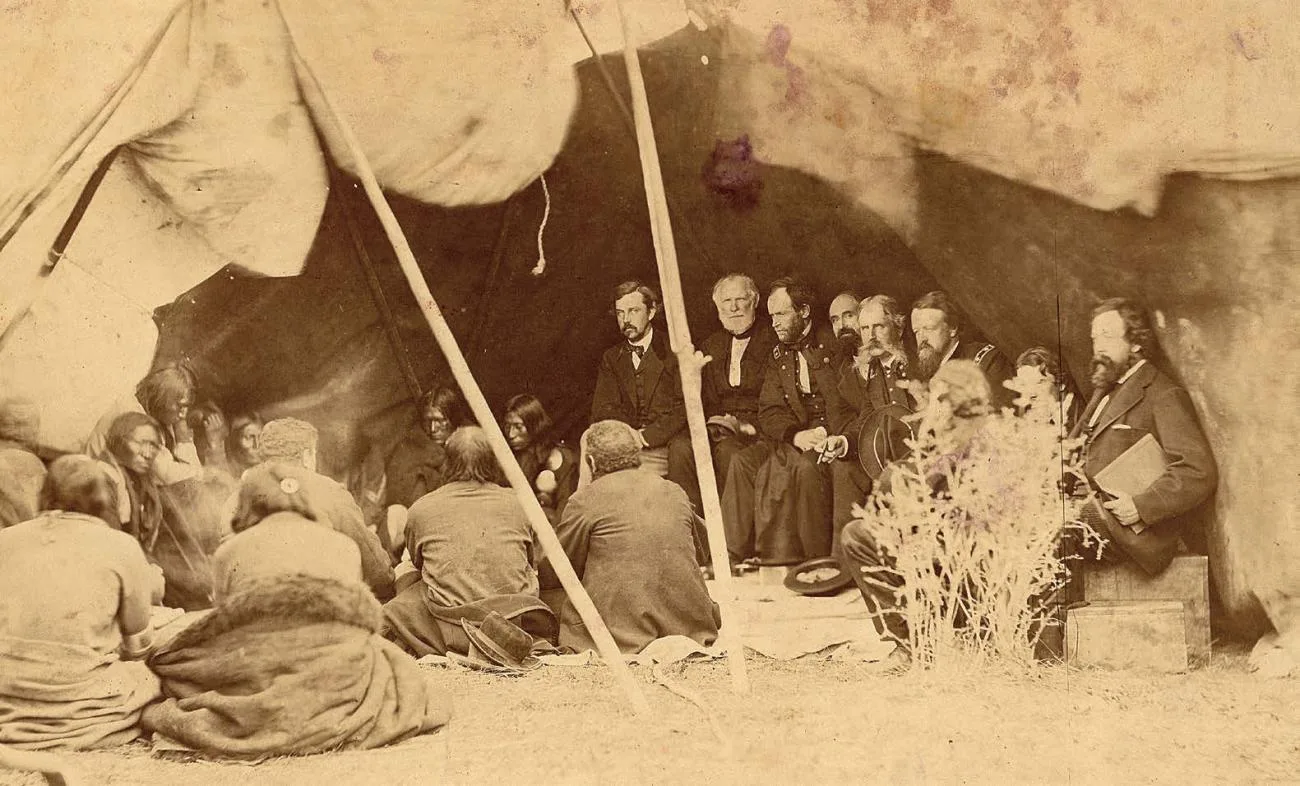
"Honoring Treaties, Healing Wounds: Advancing Justice and Enviornmental leadership, with Native American Commuities, a comprehensive approach. "
Acknowledge and Apologize:
Recognize historical harm, including broken treaties, forced removals, and the impact of Indian Boarding Schools.
Apologize for the genocide through violent conflicts and forced displacement.
Restitution and Reparations:
Provide restitution for harm done, including returning land taken or offering appropriate compensation for ancestral territories and resources.
Financial reparations to address economic disparities in Native American communities.
Cultural Revitalization and Preservation:
Support cultural revitalization efforts to rebuild and maintain heritage, languages, traditions, and practices.
Empower Native American communities to preserve their cultural identity.
Respecting Tribal Sovereignty:
Respect tribal sovereignty, allowing tribes to control their lands and resources.
Involve tribes in developing policies and programs affecting their well-being.
Education for Cross-Cultural Understanding:
Integrate accurate and comprehensive Native American history and culture into school curriculums.
Foster empathy and respect among non-Native Americans.
Provide educational resources accurately representing Native American heritage.
Addressing Historical Trauma:
Provide mental health services, counseling, and cultural resources to help cope with the effects of historical injustices.
Address intergenerational trauma.
Public Awareness and Education:
Conduct public awareness campaigns to combat stereotypes and misinformation about Native American history and culture.
Support government initiatives and educational programs to raise awareness.
Equal Access to Justice:
Ensure equal access to justice and legal representation for Native Americans to address ongoing challenges and prevent future injustices.
Collaboration and Partnerships:
Foster collaboration between the US government, Native American communities, advocacy organizations, and stakeholders.
Build strong partnerships based on mutual respect and understanding.
Respect for Native American Environmental Leadership:
Recognizing Traditional Ecological Knowledge:
Acknowledge the valuable insights of traditional ecological knowledge passed down through generations.
Recognize Native Americans' role as environmental stewards.
Addressing Environmental Challenges:
Tap into Native American wisdom to tackle environmental challenges, including climate change and biodiversity loss.
Collaborate with Native Nations in crafting environmentally conscious policies and practices.
Empowering Native Americans in Federal Parks Management:
Tribal Empowerment in Federal Parks:
Empower Native American communities to control, manage and care for Federal Parks within or near their ancestral territories.
Provide comprehensive training programs to equip Native individuals with the necessary skills.
Financial and Logistical Support:
Offer financial and logistical support to ensure successful transition and management of Federal Parks.
Summary:
Undertake a comprehensive approach to achieve justice, reconciliation, and healing for Native Americans.
Recognize historical harm, apologize, and provide restitution and reparations.
Support cultural revitalization and respect tribal sovereignty.
Promote cross-cultural understanding through education and address historical trauma.
Combat stereotypes through public awareness and ensure equal access to justice.
Collaborate and build partnerships between stakeholders.
Recognize and support Native American environmental leadership and involve them in Federal Parks management.
Foster a more inclusive and sustainable future for all citizens by rectifying historical injustices and promoting cultural preservation, environmental stewardship, and collaboration.
Shunkmanu He Me Yedo! Chanupa Sapa He Me Yedo!