
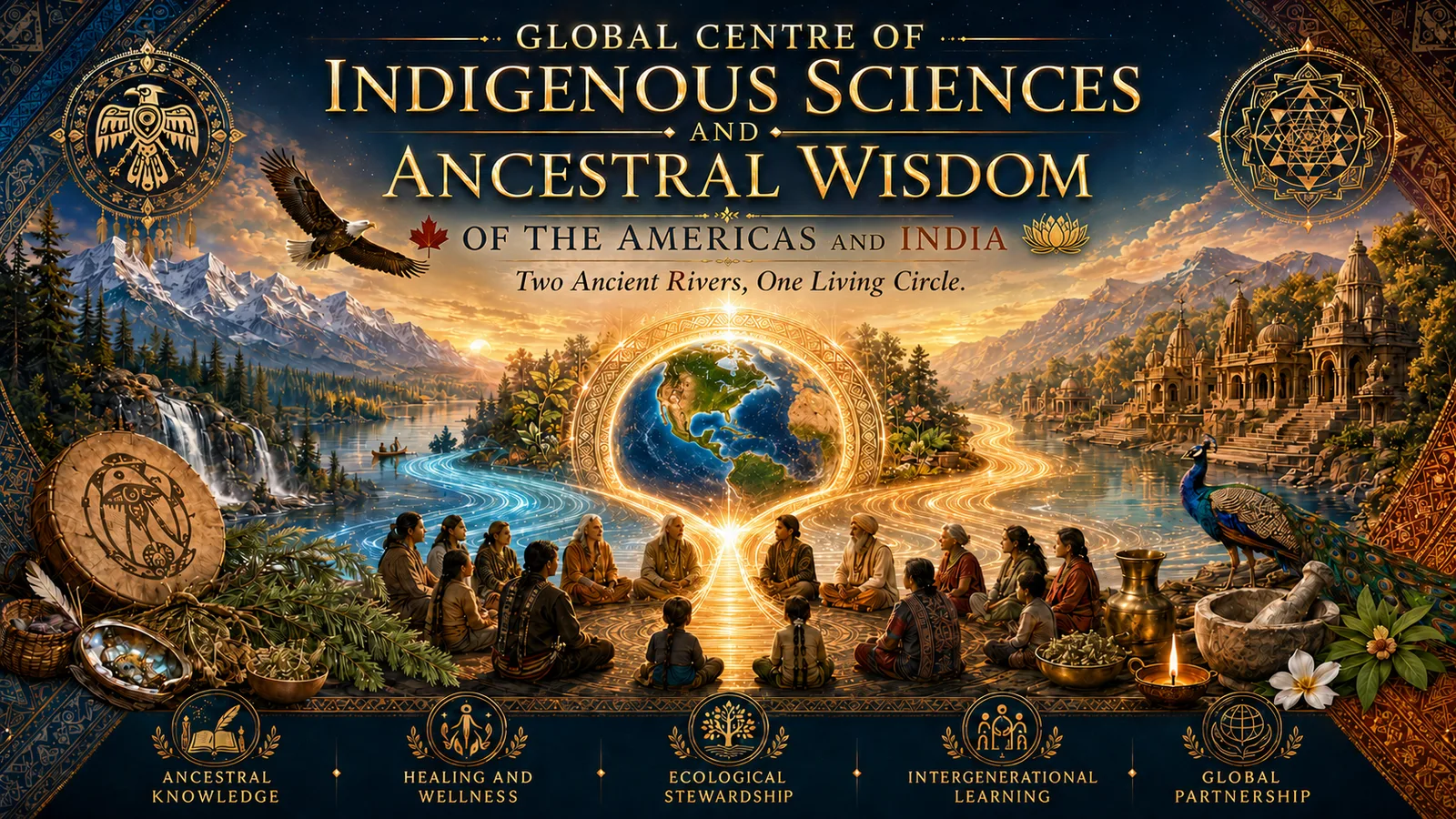
Global Center of Indigenous Sciences and Ancestral Wisdom
TABLE OF CONTENTS
WHY THE FORMATION OF THIS CENTRE IS SO IMPORTANT NOW 2
VITAL ANSWERS FROM INDIGENOUS SCIENCE 4
HUNDREDS OF IMPROVED PROJECT DESIGNS 6
INDIGENOUS VALUE SYSTEMS AND WORLDVIEW 7
INDIGENOUS SCIENCE SYSTEMS~AMAZING FACTS 7
INDIGENOUS AGRICULTURAL SCIENCE 10
INCOME-GENERATING ACTIVITIES 17
ENVISIONED ACTIVITIES AND PROJECTS 18
POSITIVE SOCIO-POLITICAL IMPLICATIONS 19
SEED FUNDING FOR2026-2030 20
Two Ancient Rivers, One Living Circle
INTRODUCTION
Traditional Indigenous Science plays a significant role in ensuring a sustainable, thrivable, and harmonious future for all members of our Human Family. This overview focuses on the ecological and economic rationale and the developmental requisites for establishing the** **Global Center of Indigenous Sciences and Ancestral Wisdom.
WHY IS THE FORMATION SO IMPORTANT NOW
The failings of modern forms of science and technology have provided us with the means to manipulate, control, or significantly influence the human body, mind, society, and the materials and processes of nature. Although “science” has enhanced the quality of life for modern society, many outcomes have proved unsettling and unsustainable, degrading Mother Earth. Traditional family and community structures, along with critical ecosystems, are deteriorating. Poverty, divorce, violent crime, functional illiteracy, degenerative diseases, mental illness, juvenile delinquency, and drug addiction threaten the fabric of “developed” societies.
Furthermore, we have exceeded our planetary boundaries, creating a vast ecological deficit. Mother Earth is now so dominated by human impacts, including climate change, that some scientists believe we’ve entered a new geological epoch called the Anthropocene. Modern society has grown from a mechanistic worldview based on resource extraction and expansive growth, in contrast to Indigenous models of ecological stewardship.
As awareness grows of the seriousness and extent of these troubling effects, and of the increasing destruction of Mother Earth’s environment and diminishing biodiversity, citizens are challenging the validity of industrial institutions, values, and technologies. We now witness problems with costly iatrogenic medicine, failing education systems, risky genetic engineering, toxins in our ecosystems, nutrient-cycle disruption from fertilizers, and various other hazardous processes and products.
For instance, despite the astronomical cost of medical care in America, currently 3.6 trillion and projected to reach 6.2 trillion (20% of the GDP) by 2028, the average American life expectancy has declined consistently from 78.9 to 78.6 over the last three years. Iatrogenic deaths have peaked at nearly 1/2 a million victims per year and are the 1/3 leading cause of death after heart disease and cancer.
The industrial, scientific approach to social development does not meet human needs in a healthy, sustainable way. The mechanistic growth model must change if we are to act as responsible stewards of our planet and future generations.
Extensive research and documentation have shown us that the industrial growth model is failing the human family and all our relations. A few outstanding examples follow:
Scientific consensus observes that after almost 12,000 years of a stable Earth climate, we have entered the Anthropocene, a new geological epoch attributed to humanity’s impact on Mother Earth’s ecosystems, which has led to biodiversity collapse, climate change, and other destructive changes.
We have entered the 6th major extinction event, having destroyed more than 50 percent of our planetary biodiversity over the last 50 years.
We are now risking a runaway climate crisis. Our biosphere is heating up, our oceans are turning acidic, and our collective greenhouse gas emissions continue to rise.
Our actions have increased the number of uncontrollable fires around the planet, in both boreal and temperate forests, particularly in the sensitive bioregion of the Amazon.
Our mining of nutrients and use of fertilizers have disrupted Earth’s nutrient cycles to the point that we have transformed lakes into swamps and created dead zones in our oceans.
We have mined and depleted the nutrients and carbon from our soils, caused massive soil erosion, and contaminated our remaining soils with toxins.
We are experiencing a massive die-off of insects, including bees and other plant pollinators.
We have caused massive deforestation and widespread destruction of the Amazon bioregion, including recent fires across the Region, particularly in Brazil and Bolivia.
We have a vast, varied public health crisis. In some countries, due to poor practices and unsanitary hospitals, death rates (considered survival rates) plummet by as much as 60% within days when physicians have gone on strike.
Early evidence indicates that hundreds of thousands of sensitive North Americans will die, and millions will suffer from genetically tampered fruit and vegetable crops.
Our communities suffer from growing socioeconomic inequality, rising political divisions, and civil violence.
Almost 2 billion people live without clean water, on the edge of starvation, as some 9 million people starve to death yearly.
Endocrine disruptors from the chemical industry now move through our ecosystems and bodies, causing many human ailments and impacting our non-human relatives.
Our communities suffer from massive homelessness and migration caused by war, ecological destruction, and climate change.
Scientists have warned of a “state of change” that could send Earth into a new era, possibly one that is uninhabitable to humans, other plants, and animals.
As past mistakes and false assumptions come to light, the accumulated body of practical Indigenous Knowledge and Science must become more widely recognized, decoded, and applied. This indigenous science can help steer our societies toward safe, responsible custodianship and stewardship of Mother Earth. Furthermore, Indigenous Science and Knowledge practices can be critical in implementing the 2015 UN Sustainable Development Goals and the 2015 UN Paris Agreement.
The Role and Participation of Western Science and Medicine
Since 1989, we have consulted closely with selected MDs and Scientists, including Dr. Peter von Duerr, a longtime leader of the Max Planck Center in Germany. We have taken special care with psychoactive medicines, most of which remain unknown to the Western Medical Establishment.
VITAL ANSWERS FROM INDIGENOUS SCIENCE
Indigenous Science is the intimate and systematized body of knowledge of the living world that indigenous peoples have developed and matured over thousands of years. In some cases, a core of Indigenous knowledge has existed unbroken for thousands of years. Despite its longevity, such knowledge is dynamic and adaptable. The range of arts and life science disciplines employed by Indigenous Peoples includes
Poly-culture agronomy (including natural pest control, microclimate management, soil classification, and regeneration);
Natural resource management (including wildlife, agroforestry, marine life, and aquatic systems);
Aquaculture
Integrated ecology and environmental systems;
Human and veterinary medicine (including obstetrics, midwifery, and extensive pharmacology);
Psychology(including more than 200 psycho-social, soul-transforming medicines);
Animal and plant species taxonomies;
Plant, animal, and human foods and nutrition;
Family and community-based childhood development and education;
Consensual governance and management systems;
Law (employing deliberative conflict resolution methodologies);
Musical, dramatic, and ceremonial arts;
Textile arts;
Political economy;
Communications;
Mathematics;
Meteorology;
Navigation; and
Architecture.
Archeoastronomy (calendars, study of time-space)
Despite worldwide acculturation to Western values, many Indigenous cultures can still offer the world vital solutions to the problems facing humankind and Mother Earth. However, it is estimated that over the next century, half of the world’s remaining cultural diversity and accumulated wisdom could vanish from the earth, never to be recovered unless we act now to reverse this trend.
EARTH SUMMIT MANDATE
In 1992, the* *Earth Summit in Rio de Janeiro, attended by all the United Nations member states, formally recognized the importance of Indigenous knowledge and science for sustainable development in at least 17 chapters of the Summit’s Agenda 21 recommendations report. Despite these recommendations, Indigenous Peoples are still excluded as full partners in the discussions among the Nation States at Rio+20 and beyond.
INTERNATIONAL RECOGNITION
Following this direction, international bodies such as the United Nations Development Program, the U.N. Environment Program, the Food and Agriculture Organization of the U.N*.* (FAO), and the World Bank have taken action to capitalize on the vital role indigenous knowledge can play in worldwide sustainable development efforts.
The 2007 United Nations Declaration on the Rights of Indigenous Peoples (UNDRIP) acknowledges the collective rights of Indigenous Peoples worldwide. Article 20 states: (pa. 1) Indigenous peoples have the right to maintain and develop their political, economic, and social systems or institutions, to be secure in the enjoyment of their means of subsistence and development, and to engage freely in all their traditional and other economic activities.
As well, the United States* *National Research Council (NRC) has sponsored several studies specific to Indigenous knowledge covering issues such as:
Conserving Biodiversity
Sustainable Agriculture
Alternatives to Pesticides, and
Natural Resource Management
HUNDREDS OF IMPROVED PROJECT DESIGNS
There are hundreds of successful development project designs or modifications based on Indigenous knowledge and sciences, including a significant case on the island of Bali. In Bali, the Asian Development Bank funded a $54-million agricultural modernization program that disrupted traditional systems and damaged local ecosystems and biodiversity. Once the designers discovered the superior effectiveness of the ancient terraced irrigation system, the project was halted and modified.
Filling The Void
The world belatedly recognizes the urgency to renew culture-based knowledge systems still preserved by traditional Indigenous societies. This knowledge is based on the science of healthy living systems, increasingly recognized through New Paradigm modern sciences that acknowledge the unity of all Life and the Universe. Indigenous knowledge systems have consistently recognized and honored living system principles as fundamental to their cosmology and natural sacred law. Indigenous science has safeguarded these living-systems principles in the basic design and development of their societies for millennia.
However, there is now a need for a premier **Global Center of Indigenous Sciences and Ancestral Wisdom, **guided, controlled, and protected by the authentic custodians of Indigenous knowledge. The latter respects and maintains cultural traditions in consultation with leading Western MDs and Scientists, especially those who understand functional and systems medicine.
As prophesied, the time for the fusion of science and spirituality has come. The proposed **Center **can fill this void and offer a model for culture-based knowledge and practice under the governance of a Global Council representing Indigenous peoples from various bioregions.
INDIGENOUS VALUE SYSTEMS AND WORLDVIEW
Indigenous societies have held and practiced these values and worldviews:
Intense belonging to Mother Earth and our natural world, and an intensely lived sense of interdependence with all life forms and sentient beings, lead to an enhanced understanding of and respect for the natural world’s design principles and universal laws.
Intra- and inter-family, and community social and cultural cooperation.
Familial and community-focused health care that uses traditional, nature-based prevention and healing techniques.
Balanced and dynamic holism in human and community development.
Unity and integrity of the immediate and extended family.
Cyclical understanding of time and respect for the natural cycles of life and the planet.
A deep sense of honor, respect, and custodianship for the collective well-being of all beings, the living web of Life, and future generations.
Inclusive, participatory governance and leadership models are founded on the lived understanding of principle-centered community building and respect for the unity of Life.
Embodied Spirituality through unbroken continuous transmission.
INDIGENOUS SCIENCE SYSTEMS~AMAZING FACTS
PLANT AND SPECIES KNOWLEDGE
Western scientific systems need improvement in many areas. For example, even a handful of soil taken from the Eastern U.S. will likely contain many unknown species. Although Western Science knows 1.4 million species, roughly 10 million remain unidentified. Linden’s September 23, 1991, article in Time Magazine, “Lost Tribes Lost Knowledge,” reports that Western scientists have studied only 1,100 of the earth’s 265,000 plant species. On the other hand, Indigenous people have a working knowledge of 25 to 30 thousand plant species.
The N.Y. Center of Economic Botany now recognizes that as many as 40,000 plant species are likely to have undiscovered medicinal or nutritional value for humans. The Center has rightly concluded that the world’s Indigenous peoples “can help scientists greatly focus their search for plants with useful properties.”
BOTANICAL MEDICINE
Like many Indigenous societies worldwide, the Mayan-Tzeltal Amerindians of Mexico have developed a comprehensive plant classification system, recognizing 471 mutually exclusive plant groupings. Furthermore, the forests of Mexico alone hold an estimated 3,000 substances - potentially useful as medicines and known only to the local Amerindian populations.
Botanical medicine has been aptly coined “The Oldest Modern Science.” The Dag Hammarskjöld Foundation has concluded that traditional medicine often yields better results than “modern pharmaceuticals.” Reputable attestations of the efficacy of plant medicines exist worldwide. These involve the effective treatment of a wide range of acute and chronic conditions, including burns, herpes simplex, fungal diseases, poisonous snake bites, arthritis, kidney stones, ulcers, diabetes, cancer, high blood pressure, arteriosclerosis, and various forms of infectious disease. Indeed, out of hundreds of thousands of living plants, only an insignificant fraction has been adequately investigated by Western science for their medicinal value.
On a global scale, more than 3,000 different plants are used by Indigenous peoples to control fertility. Over 60 plant species are used effectively to treat skin infections. One recent study identified 120 plants traditionally used by Indigenous women in North America as effective birth control agents. It is finally acknowledged that Indigenous botanical medicine remains the only cost-effective means to ascertain the potential value of thousands of healing plants. This takes on much greater urgency as the forests and a limited number of elderly Indigenous specialists who have retained this accumulated knowledge face impending extinction.
Consequently, Western medicine is increasingly investigating natural medicines in treating AIDS, heart disease, and many other diseases and disorders of modern society. Current strategies in the search for therapeutic medicines include analyzing traditional uses to identify immunomodulators, antitumors, compounds, analgesics, and bactericides.
This emphasis is based on recognizing that an estimated 75% of standard prescription drugs derived from plants were discovered because of their prior use in Indigenous medicine. Even with the guidance of indigenous healers, random screening is like searching for a needle in a haystack. It has been estimated that referral to such healers might have increased the recognition of active medicinal plants by 50% to 100% in the National Cancer Center (NCI) research program searching for anti-cancer and anti-AIDS drugs. The rosy periwinkle, which now furnishes vincristine and vinblastine, has provided Western medicine with an 80 percent recovery rate for childhood leukemia, a once-fatal condition, and a high success rate in treating Hodgkin’s disease.
THE PHARMACEUTICAL MARKET SHOWS THE IMPORTANCE OF KNOWN MEDICINAL PLANTS
The 1985 world market value for medicines derived from medicinal plants discovered by indigenous Peoples amounted to $43 billion U.S. However, less than one-hundredth of one percent of the profits derived from those sources have ever been returned to those people. Western commercial marketing of pharmaceuticals derived from the periwinkle and rauwolfia plants alone generates sales exceeding $400 million annually. Given its benefits for healthcare, the debt owed to traditional indigenous medicine is incalculable.
INDIGENOUS OBSTETRICS AND GYNECOLOGY
North American Indigenous obstetrical and gynecological practices were far more rational than those in Europe. For example, when Iroquoian midwives were employing effective techniques of gentle manipulation and plant medicines to ease childbirth, Europeans believed it was contrary to God’s will to ease the pain of labor. Thus, in the sixteenth century, Scots and Germans were condemned to death by fire for administering pain-relieving medicines to women in labor. At the same time, North American Indian midwives and healers employed a sophisticated range of treatments for various obstetrical and gynecological conditions.
A list of various conditions that were and are effectively treated:
Contraception (oral medicines for temporary or permanent sterility and rhythm methods);
Overcoming delayed menstruation
Control of profuse menstruation;
Pain relief for labor as well as for menstruation;
Reduction of protracted labor, including promotion of contractions in labor;
Management of a malpositioned fetus;
Expulsion of the placenta;
Reversal of postpartum uterine hemorrhage and
Alleviation of breast inflammation and abscesses.
CHILDHOOD DEVELOPMENT
Exhaustive evidence from the wide-ranging fields of neurophysiology, psychology, ophthalmology, and sociology indicates that before ages 5 to 7, children are not ready for the kind of formal school instruction that our current mainstream educational systems promote. An extensive review of over 7,000 studies on childhood development and education reveals that the Indigenous value-based model of family- or home-based training of children through the elementary years (i.e., to age 10) is significantly superior to formal schooling in ensuring children’s physical, emotional, social, and intellectual development.
The alarming increases in functional illiteracy and innumeracy in both the United States and Canada, from an estimated level of 10 percent in the last century to today’s rates, which range from 25 to 50 percent, correspond directly with the increase in the early institutionalization of children and a weakening of the traditional role of parents and extended family members in the development and education of children.
Furthermore, the alarming rate of ecological illiteracy worldwide indicates that conventional educational systems are part of, and contribute to, our sustainability crisis. Traditional educational systems must adequately prepare our children with the vital environmental literacies needed to develop our capacity for planetary custodianship and sustainable societal and human development.
The proposed Global Center of Indigenous Sciences (GCIS) will address this through a comprehensive Thrivability Education program, already implemented on the Island of Mauritius since 2012 by the EARTHwise Center, which has served more than 20,000 students and demonstrated proven results. The Thrivability Education program of the GCIS will also include the Indigenous educational models of the Four Worlds International Center to ensure we adequately prepare our future generations for leadership roles and build their capacity to thrive in this rapidly changing world.
INDIGENOUS AGRICULTURAL SCIENCE
For Indigenous peoples, the introduction of large-scale commercial farming has invariably been accompanied by a loss of diversity in local cropping systems, leading to an ever-increasing dependency on imported food products, poorer nutrition, and the degradation of natural resources.
Early observers and recent studies have shown that indigenous agricultural systems are complex, highly efficient, productive, inherently sustainable, and based on sophisticated ecological understanding. For example, with polyculture (the cultivation of multiple crops intercropped or in sequence), corn yields can increase by up to 50% compared to monoculture.
EARLY RAISED FIELD AND CANAL AGRICULTURE
Early Indigenous-raised field and canal agriculture technology systems once existed throughout the Americas, as far north as Wisconsin and Michigan. Indigenous farmers worldwide used raised-bed systems for millennia. These were effective for irrigation, drainage, maintenance of soil fertility, frost control, and plant disease management.
Amerindian raised fields consist of earth platforms built from soil taken from a network of water-filled canals that separate the fields. In central Mexico, this system is called chinampas. During the day, the canals capture the sunlight’s warmth and maintain above-freezing temperatures throughout the frigid nights, forming an insulating blanket of mist over the fields. Also, warm water is drawn into the soil platform, thus heating the roots of the vegetable crops.
Currently, 2,500 Aymara agriculturists have constructed experimental raised beds in Lucaya, Peru. Despite icy, frigid, poor soils, the Lucaya raised-bed and canal gardens hold the world record for potato yields of 28 tons per acre. This must be contrasted with the mere 1 ton per acre the villagers obtained with the standard growing methods they used only 7 years earlier (1987).
THE CHINAMPA SYSTEM
The chinampa agricultural system of the Mexica-Aztecs has been described as “one of the most intensive and productive ever devised by man.” The system of covered, small artificial islands was built in the shallow waters of several hundred square miles of freshwater lakes. The islands are marked off with willow stakes. Aquatic vegetation and earth layers are deposited within the boundary until the chinampa surface is 8 to 12 inches above the water level.
This chinampa requires neither irrigation nor fertilization. Since it is surrounded by water, filtration provides sufficient moisture. An advanced system of crop rotation and mixing ensures soil fertility. Year after year, the chinampas produced staple crops such as corn and beans, as well as vegetables, fruits, and flowers. The plots were so productive that up to 4 crops could be harvested each year.
THE SORJAN SYSTEM
A similar indigenous technology, Sorjan, is found in Indonesia. It is a series of shallow canals alternating with raised beds. Rice is usually planted in the canals, and various upland crops are grown in the raised beds. The use of this method experimentally resulted in the following improvements:
Increased production levels per unit of land use;
Enhanced capacity for crop diversification;
Produced earlier crops with significantly higher yields;
Increased variety of foods available for home consumption and improved nutrition.
Improved fertility of canals and
Proven adaptability to a wide range of agroecological conditions.
INDIGENOUS FOODS
Many harvestable wild food plants contain “slow-release carbohydrates,” i.e., starches, that break down slowly in the body, resulting in lower blood sugar levels. This helps prevent diabetes and other diseases of modern civilization. Cultivating such wild foods has proven a viable and environmentally non-destructive alternative to conventional agriculture.
An Australian business, “Bush Tucker Supply,” distributes traditional Aboriginal foods to 100 restaurants, catering companies, and hotels throughout Australia. There is already a distributor in Singapore, and marketing of the foods in the United States is currently being planned. The distributive business is profitable. Aboriginal peoples have been improving their lives. And just as necessary, the revival of age-old, nearly forgotten methods of identifying and harvesting foods is restoring respect and honor among Aboriginal people within their own traditional culture.
Some traditionally developed food plants are incredibly nutritious. For example, the Kakadu plum has 50 times the vitamin C content of an orange. Quinoa, the “mother of all grains,” was domesticated as a food staple in the Andes as early as 5000 years ago. It is an extraordinarily nutritious cereal, one of the best sources of vegetable protein worldwide. Quinoa grain has a protein content of 16-20% and is rich in the essential amino acids lysine, methionine, and cysteine. It can be grown in cold, high regions, on poorly drained land, and even under dry conditions.
CROP STORAGE TECHNOLOGIES
The modern food industry relies heavily on toxic chemical agents for postharvest crop storage. Nonetheless, over 20,000 field and storage pests destroy approximately one-third of the world’s food production, valued at billions of dollars annually.
To avoid the many risks associated with the use of toxic chemicals in crop storage, there will be a rapid worldwide increase in the use of harmless biological agents. It has already been documented that many less costly, far safer plant-derived indigenous alternatives can control thousands of pests.
Natural and non-toxic controls include various Indigenous plant applications and other simple methods:
Altering planting or harvesting times to avoid pest breeding periods;
Deep planting of seeds;
Rotating crops
Allowing areas to lie fallow;
Mixed cropping and
The destruction of uncultivated plants that host particular pests.
**Results can be impressive: **In China, there have been increased cotton yields and a 90 percent reduction in pesticide use, with 84 percent cost savings; Brazilian soybean farmers cut their insecticide use by 90 percent; and Nicaragua is saving almost $3 million U.S. a year in its cotton crops.
LOCATING GROUNDWATER,
For example, the earliest South Asian records indicate that if you find a wild blackberry tree, you should dig a hole 14 feet deep, three cubits to the north, and water will run in a vein eastward. If there are ant hills east of the blackberry tree, you will find sweet water by digging 11 feet to the south. 125 such practices are known in South Asia.
TRADITIONAL ECOLOGICAL KNOWLEDGE
Indigenous peoples’ comprehensive understanding of and respect for the natural environment are now widely acknowledged. Their resource use seeks to ensure the viability of land, water, and other natural resources, taking into account the responsibility for the well-being of seven generations into the future.
INTENSIVE, TERRACED FARMING SYSTEMS MAINTAINED OVER MILLENNIA
A thousand-year-old agricultural system surviving today is the irrigated farming system in Bali, Indonesia. Water temples coordinate this system to distribute water supplies originating from crater-perfect lakes through 37 rivers and hundreds of channels and tunnels down the island’s terraced mountainsides.
A computer simulation based on the indigenous system demonstrated that the Islanders practice “state-of-the-art” resource management. The system coordinates the irrigation and planting schedules of hundreds of scattered villages, with different groups planting at other times and several crops grown on each terrace each year. Water utilization, soil fertility, and total productivity of the terraces are all optimized, and the spread of plant diseases, insects, and other pests is controlled. Similar indigenous farming systems have been found in several different regions.
Indigenous Plant Medicines that Transform Human Consciousness
Across the Americas and beyond, Indigenous Peoples, as previously shared, have a working knowledge of 25-24,000 different plants. More than 200 of these are psychoactive medicines, some lost in the process of colonization, many hidden because of abuse and exploitation, and are community-based medicines that transform individuals and the collective.
MISSION AND VISION STATEMENT
It is our Vision to contribute to the sustainable, harmonious, and prosperous living of all Members of our Human Family and our Mother Earth by making available the knowledge, wisdom, and long-standing practices of Planetary Custodianship and Indigenous Sciences through globally coordinated and interlinked Global Centers of Indigenous Sciences (GCIS) in all the vital bioregions of our world. GCIS is being organized and governed under the mandate and general management of the Indigenous peoples of those Bioregions involved.
Our mission is to support this global Vision by establishing the first Global Center of Indigenous Sciences in the priority areas of Chiapas, Mexico, and the Amazon Bioregion, under the mandate and general management of the Indigenous peoples of the Amazon Bioregion. It is envisioned that this global development process will begin in the Amazon Bioregion and then spread to other bioregions in Mexico and Panama.
GCIS will serve as a vital and “living” institution, capable of providing a range of practical and critical benefits to humankind by drawing on proven knowledge from Indigenous sources worldwide. In keeping with our Indigenous values of unity and peace for humanity, all human societies and cultures will be invited to learn from and contribute to the Center and its activities.
The GCIS will serve as a uniquely conceived Research, Training, and Development institution dedicated to recapturing and renewing the broad range of practical indigenous culture-based science systems worldwide. It will apply and evaluate proven Indigenous science and practice systems to strengthen the general health, education, socio-economic growth, and sustainable development of Earth’s societies.
GOALS OF THE GCIS
The Center will provide a fundamental and vital resource in helping Mother Earth’s peoples and nations to achieve their full potential at individual and community levels in a sustainable and thrivable manner. It will be an opportunity to rediscover and re-employ vital elements of indigenous knowledge and wisdom to fashion enhanced futures for human and socio-economic development, based on living systems’ thrivability growth models. In this rebuilding process, efforts are to recover valuable indigenous family/community traditions and cultural values, revive holistic approaches to health, childhood development, and education, and revitalize viable elements of the traditional economy and resource management. This will serve as an essential regenerative and healing measure for all members of our Human Family.
Through the Center’s work, all of Mother Earth’s societies will benefit from access to a rich repository of indigenous knowledge resources derived from the broad field of indigenous science, as well as a working synthesis of this traditional knowledge with complementary forms of Modern science.
KEY OPERATIONAL OBJECTIVES
The Center will research and design practical hands-on demonstration projects in fields such as:
Organic agriculture;
Nature-based health and nutrition;
Thrivability Education;
Forestry;
Aquaculture;
Natural resource management
Culturally-based eco-tourism;
Thrivability Governance
Planetary Custodianship
The Center will house an Indigenous Sciences documentation resource facility to serve educators, administrators, technicians, policymakers, and researchers in gathering, analyzing, and disseminating valuable knowledge and best practices for our planetary governance and well-being. This iniative will include developing and using cutting-edge digital technology systems for advanced research and information systems on Indigenous knowledge and practice, reaching all parts of the globe.
The Center will also develop educational tools and approaches grounded in indigenous science and practice. This will include hands-on apprenticeship programs in specific fields, such as
Traditional botanical medicine,
Ethno-veterinary medicine,
Organic and Climate-Smart Agriculture,
Planetary Governance, Leadership, and Custodianship
Archeoastronomy
Climate Change mitigation and adaptation, and
Environmental Management and Planetary Health.
The Center will lay the foundation, general frameworks, and directions for establishing a Polytechnic Center that offers specialties in key indigenous science areas. Once fully established, this Center will represent the first institution in the world dedicated to providing advanced technical and other training in Indigenous science systems and technologies.
The Center will establish cooperative working relationships with notable research and development institutions and universities regionally and globally, combining indigenous sciences with appropriate modern technologies. This collaborative effort will provide numerous firsthand opportunities to contribute to and benefit from the cutting-edge practical research and development of prestigious Western-based Research and Development Polytechnic institutions.
It will undertake technical policy analysis and public advocacy to ensure greater understanding and application of Indigenous sciences across the public sectors of various world governments. This will significantly improve the effectiveness, efficiency, and sustainability of human and social development across all societies and nations.
Lastly, the Center will encourage and facilitate the sharing of knowledge, experiences, best practices, and skills among multiple Indigenous communities and nations, including their training institutions and organizations. This will include the first-hand development and testing of indigenous science applications in community-based development projects and programs.
INCOME-GENERATING ACTIVITIES
The potential for income generation through rebuilding traditional knowledge-based economic activities is vast. The Center initiative is being launched amid widespread interest in other cultures, environmental conservation, eco-tourism, and the protection of biological diversity. This has opened new frontiers in markets for alternative services and products, where indigenous peoples’ enduring wisdom and knowledge represent a vast, untapped resource.
Mainstream society is actively searching for practical solutions in many fields - health, psychiatry, diet, lifestyle and leisure activities, community development, social services, child development, education, and energy, as well as the issues related to the quality of the environment, biodiversity conservation, and sustainable and healthful food production. Consequently, there are immense untapped local, national, and international “markets” for indigenous knowledge and services in all the fields mentioned above in both the “public” and “private enterprise” sectors. Such markets include, among others, botanical medicines and cosmetics, holistic health care systems, ecotourism, natural resource management, soil regeneration, natural pest control technologies, and educational and entertainment multimedia production.
Potential markets can be developed and reached through various means, while the potential for books, videos, and films to document Indigenous knowledge has already been demonstrated. For example, the latent demand for feature films based on Indigenous stories and epics holds significant profit potential, as do Indigenous knowledge-based educational materials and children’s stories.
Recognizing certain ethical marketing principles, including the issue of collective intellectual property rights, the Center will seek and negotiate special brokerage arrangements on behalf of the original holders of Indigenous knowledge to both patent and market their discoveries, thus reducing the unfair exploitation of such knowledge by multinational corporate interests. It will also prepare and commercially market portions of the Indigenous science database collection in various media formats.
The Center will video-document successful Indigenous science experimentation and applied project results for marketing to industry, government, technical and human service agencies, international development agencies, and education institutions. It will conduct applied field research and documentation, policy analysis, seminar-training programs, curriculum development, program design, and evaluation for public, private, and non-profit sector organizations and institutions on a consultative fee basis.
It will explore and pursue joint marketing ventures with various Indigenous nations and institutions connected with the worldwide indigenous knowledge network, such as the Center for Indigenous Knowledge for Agriculture and Rural Development (CIKARD). As the Center gains direct exposure and experience with the widespread marketing of Indigenous knowledge and related products and services (e.g., botanical medicines, textiles, agricultural technologies, etc.), it will, over time, be able to provide technical advice and capacity development assistance to indigenous communities wishing to undertake income-generation activities based on indigenous knowledge and resources.
Finally, the Center will support the research, writing, and dissemination of Indigenous knowledge through developing and marketing a “Four Worlds International Journal of Indigenous Life and Development Sciences” and other publications.
ENVISIONED ACTIVITIES AND PROJECTS
The Center will carry forward a broad range of activities that document and demonstrate sustainable life, thrivability, growth, systems, and ecologically based indigenous developmental pathways. These will include:
Researching and examining recorded traditional wisdom and practical knowledge of a wide range of social and scientific disciplines.
Video conferencing and networking about indigenous knowledge with recognized scientists, policymakers, educators, and other global resource people.
Researching and applying safer, less costly, and more effective health care approaches, including nature-based methods and traditional plant medicines.
Demonstrating how parents and elders can be encouraged and strengthened in providing family-centered childhood education and development.
Produce wholesome, chemical-free foods and products using indigenous bio-regenerative agricultural and horticultural methods.
Creating and providing new career and apprenticeship opportunities based on the richness of indigenous cultures in fields such as ethnoveterinary medicine, botanical medicine, organic agriculture, and natural resource management.
Developing culturally-based ecotourism projects that sustain traditional indigenous cultures, lifestyles, and natural systems.
Further scientific evidence demonstrates that protecting and restoring the Amazon Bioregion is far more economically valuable to all concerned than destroying it for short-term profit.
Visitors and apprentices can enjoy hands-on participation in various activities at the Center. For example, they will engage in:
Management of aquaculture projects;
Planting and harvesting the food crops, as well as pruning and grooming the fruit trees, vineyards, and berry plants;
Learning the methods for identifying, harvesting, preparing, and using traditional plant medicines, including botanicals, tree bark, and leaves, and
Participating in the preparation of graphically rich publications and video productions on various dimensions of indigenous knowledge;
Assisting and supporting the development of sustainable economic development initiatives in partnership with indigenous communities.
POSITIVE SOCIO-POLITICAL IMPLICATIONS
As a Global Center of Traditional Indigenous Sciences - under the direction of the indigenous guardians of Mother Earth - the Center will demonstrate that traditional cultures hold an approach to life and development based on time-tested natural laws and principles and processes that will not, and cannot, fail. Indeed, this initiative represents an unprecedented opportunity to help the nations and peoples of Mother Earth search for genuine well-being and harmony in the family, the community, the natural environment, and the larger world community.
GLOBAL ECONOMIC IMPACTS
The forests of the Amazon have intrinsic value as a home to vast biodiversity, to Indigenous Nations and Peoples, and as a significant source of carbon sequestration and oxygen generation for the ecological health of our entire Mother Earth. In addition, keeping these rich Amazon forests alive and flourishing will be worth more to the global human economy than logging them or burning them down for short-term profiteering. These forests could generate billions of dollars in revenue from medicinal and pharmaceutical products and global ecotourism.
The global ecotourism market now generates over $80 billion in revenue, about 6% of worldwide travel and tourism, and is the industry’s fastest-growing sector. People want to visit places protected in their original richness and beauty. If we protect these Sacred Regions, the global tourism market will reach over $150 billion by 2030.
The global Herbal Medicinal market (herbal pharmaceuticals, medicinal plants, extracts) is over $100 billion and growing at almost 6% annually. The global pharmaceutical market is over USD 1 trillion and is growing at 5.8% annually.
These markets represent over $1.25 trillion in annual revenue and are expected to generate over $40 trillion over the next two decades alone. Keeping the Amazon forests healthy and flourishing will be worth much more to our human economy than destroying them for short-term, unsustainable industries. In addition to this value, these forests are irreplaceable for carbon sequestration and oxygen production for our entire Human Family and every living being on Mother Earth.
SEED FUNDING FOR 2026-2030
Seed funding is sought to implement the Center for the next eighteen months. This budget will help us to
To further engage and consult with our Indigenous relatives across the Amazon Basin to ensure their full participation, leadership, and inclusion, as well as with all relevant stakeholders.
Furthermore, it will help to start the extensive process of further translating and updating all our FWII and other relevant educational, community, and economic development, healing, and other related development materials into French, Portuguese, and Spanish, with particular sensitivity to each Indigenous cultural bioregion, and when needed, to translate the materials into Indigenous Languages.
To bring together Indigenous representatives of Bioregions across the Americas and those NGOs that support them:
To develop the digital architecture so that the Center is fully connected to the digital world across all areas of development.
To support the consultation process on how best to govern the Center.
To build the GCIS curriculum and advocacy campaign resources, including those from Four Worlds materials and the EARTHwise Educational programs.
To protect and advocate for the use of Indigenous medicines for healing, including the use of Ibogaine to address the opioid crisis, as current treatment models have been unsuccessful.
A detailed budget is available on request.
Brief History - Global Center for Indigenous Sciences and Ancestral Wisdom
In 1989, in consultation with Dr. Raymond Obomsawin, who had spent years conducting global research for the Oneida Nation, the proposal for the** Global Center for Indigenous Sciences and Ancestral Wisdom **(formerly the International Center for Indigenous Science) was first drafted and formalized. Beginning in the early 1980s, Dr. Obomsawin’s long-standing global research and development in Indigenous Science has inspired other international efforts in Indigenous science.
The Global Center for Indigenous Sciences, The Fourth Way, the International Treaty to Protect and Restore Mother and **Deep Social Networks, and the Digital Fourth Way **are all based on informed consultation and are supported by ongoing consultation with Indigenous Peoples across the Americas and beyond, beginning in Bolivia in 1971.
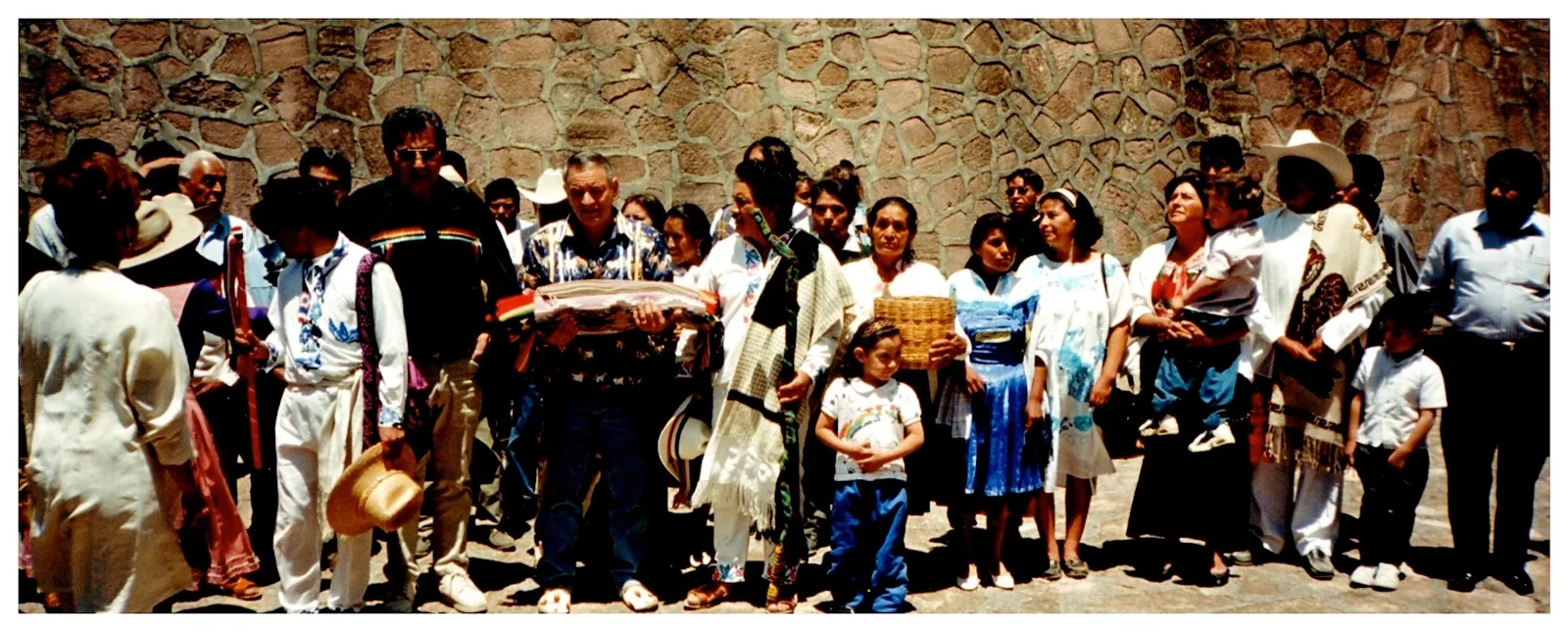
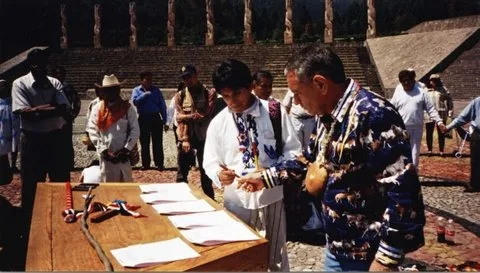
After some years of visits, ceremonies, and relationship building, on May 5, 1999, theReunion of the Condor and Eagle International Indigenous Trade and Social Development Agreement and UnityPact was signed by Elders of the Assembly of First Nations (AFN) of Canada, the Otomi National Council, the Four Worlds International Center, and** other Indigenous Peoples of Mexico. The signing ceremony was held at the Otomi National Cultural Center**, built with Otomi volunteer labor, and dedicated in 1982 to the Reunion of the Condor and Eagle.
The Vision of the International Center of Indigenous Science was further expanded at the** International Indigenous Action Summit** in Dominica in February 2001.
Our Journey to the Sacred Headwaters of the Amazon-Feb 14-24, 2018
Through the very gracious kindness and hospitality of our wonderful hosts, Amazon Watch and the Pachamama Alliance, we had the most beautiful, uplifting, and informative journey to the Headwaters of the Amazon, a sacred Journey that is still unfolding!
While we were all together, we shared and agreed on the ecological, moral, ethical, and cultural reasons why the destruction of the Amazon must stop now. We may have overlooked the economic rationale, especially for those who destroy the Amazon for short-term financial gain. This completely contrasts with what Indigenous Peoples call “Seventh Generation Thinking.”
We also discussed, regarding the Sacred Headwaters of the Amazon, the importance that outside Economic Powers and Decision-makers, such as the** People’s Republic of China (PRC)** and others, now unsustainably extracting natural resources, farming and ranching across the Amazon Bioregion must understand that this current economic model, if not ceased immediately, will damage key regions of Amazon, beyond repair, and be a source of significant global damage to all dimensions of life.
All investors concerned need to understand that investing in Protecting and restoring the Amazon Bioregion. Its unexplored wealth of plant medicines for healing physical, mental, and emotional illnesses, eco-tourism, improved environmental health, etc., will, over the long run, generate greater economic returns than unsustainable and destructive natural resource extraction, agricultural, and ranching activities. Of course, any development in the Amazon Bioregion would need to honor UNDRIP, specifically Article 20.
-
Indigenous peoples have the right to maintain and develop their political, economic, and social systems or institutions to be secure in the enjoyment of their means of subsistence and development and to engage freely in all their traditional and other economic activities.
-
Indigenous peoples deprived of their means of subsistence and development are entitled to just and fair redress and Indigenous Leadership and Sovereignty.
The PRC and Others will receive a favorable “Global Face” for standing up and helping to stop the destruction of the Amazon Bioregion at this critical point in time. While this approach has its challenges, what is the alternative path? Sometimes, “far-fetched visions become real!”
Without a well-developed economic rationale, we will face a tough challenge from those nation-states and Multinational Corporations obsessed with short-term financial gain, at any cost, except for their stockholders, wherever we are on Mother Earth. Therefore, protecting the Amazon continues to go hand in hand with efforts to restore it.
Medicine Council
Hereditary Chief Phil Lane Jr.
Chairperson
GIISAW
Four Worlds International Center
Compassion Games International
Member, AISESCouncil of Elders
Global Trustee~United Religion Initiative (URI)
David H. Haase, MD
Founder & CEO, Maxwell Clinic
Senior Medical Advisor
GCISAW
https://maxwellclinic.com
Samuel Lee, M.D
International Medical Advisor & Author
Four Worlds Elder Health Program
GCISAW
A Spiritual Approach to Mental Health
J
Anita Goel MD, Ph.D.
Founder and CEO
Research Coordinator
GCISAW

Copyright: Four Worlds International Institute (1992)
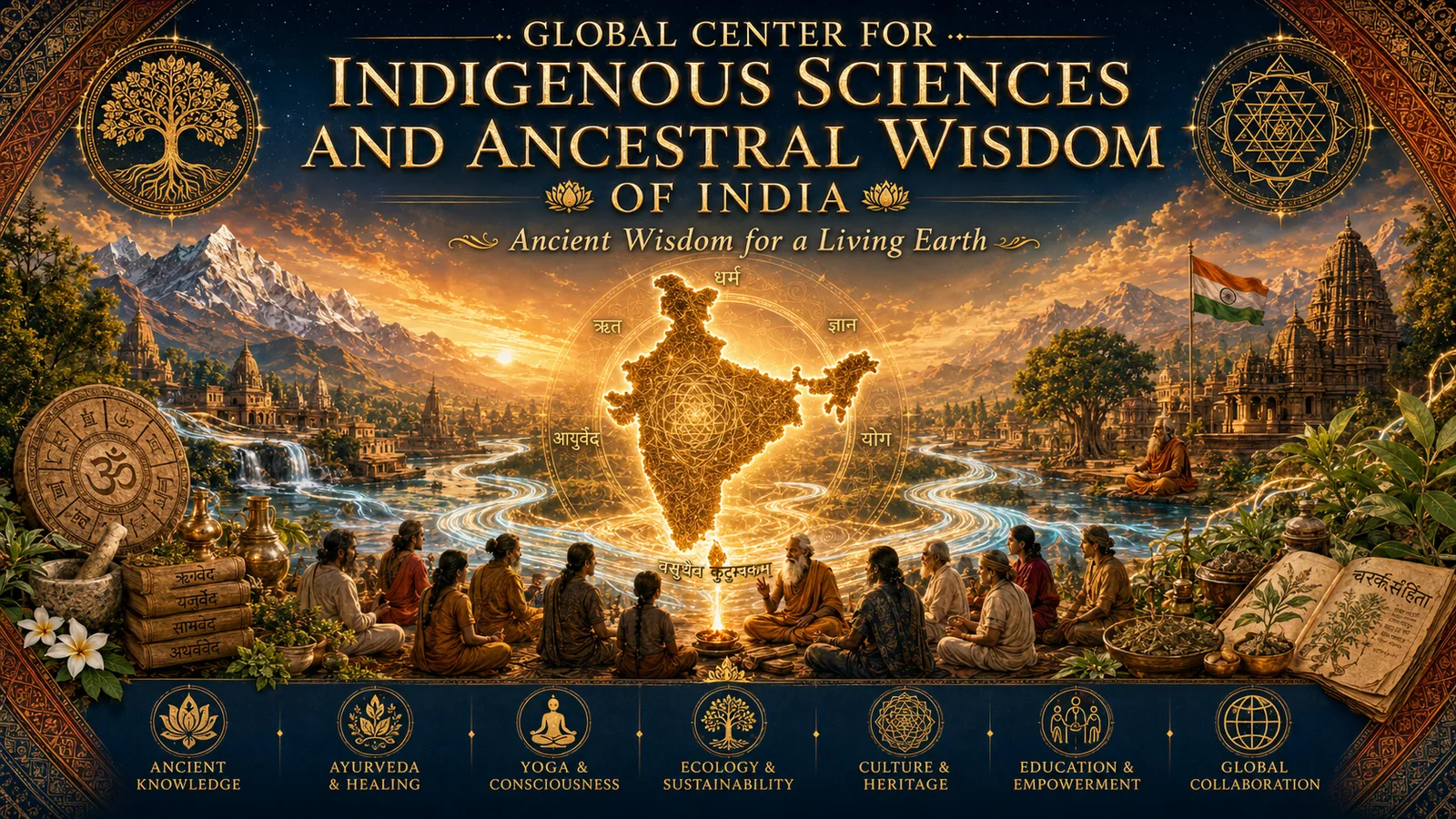
Global Center of Indigenous Sciences and Ancestral Wisdom of India
This is prepared as an** addendum** to the existing proposal for the Global Center of Indigenous Sciences and Ancestral Wisdom. It does not replace the original proposal. It stands beside it as a mirror, a partner, and a living bridge between the Indigenous Sciences of the Americas and the Ancestral Sciences of India.
The original proposal already establishes a living Indigenous-led center for research, training, documentation, education, botanical medicine, ecological restoration, and planetary custodianship. This addendum deepens the India side of that same vision, based on the 30-part outline already prepared for the Global Center for Indigenous Sciences and Ancestral Wisdom of India.
A full-proposal based on this 30-part outline will follow.
1. Introduction
The Global Center for Indigenous Sciences and Ancestral Wisdom of India will be developed together as a sister center and collaborative partner of the Global Center of Indigenous Sciences and Ancestral Wisdom rooted in the Americas. Together, these two centers will form one larger circle of healing, learning, restoration, and service to Mother Earth and the Human Family.
The India Center will focus on the protection, renewal, research, teaching, and respectful application of India’s ancient and Indigenous knowledge systems. These include the medical, ecological, agricultural, mathematical, architectural, spiritual, philosophical, artistic, and community-based sciences that existed long before the dominance of Western European medicine and colonial education systems.
This Center is not established in opposition to modern medicine. It is established to restore the right relationship. When useful, Western medicine can serve in respectful dialogue. But India’s ancestral sciences must no longer be treated as secondary, marginal, or merely cultural. They must be honored as living sciences of life, healing, balance, consciousness, and ecological responsibility.
2. Why This Center Is Important Now
India carries one of the oldest and most continuous streams of ancestral science on Mother Earth. Yet much of this inheritance has been fragmented, reduced, commercialized, or placed beneath Western models of medicine, education, and development.
This has weakened the connection between students and their own civilizational knowledge, between medicine and spirit, between food and healing, between land and community, and between knowledge and moral responsibility.
Before the imposition of Western European medicine as the dominant model, India already held deep systems of healing, surgery, dietetics, psychology, meditation, pharmacology, agriculture, veterinary medicine, mathematics, astronomy, linguistics, metallurgy, architecture, water management, ecology, and spiritual science. These were not separate fragments. They were woven into a whole worldview grounded in the unity of life.
The Center is needed now because humanity is facing chronic illness, ecological collapse, cultural amnesia, youth disconnection, mental distress, soil exhaustion, water crisis, and spiritual fragmentation. India’s ancestral sciences, when partnered with the Indigenous Sciences of the Americas, can help offer a planetary healing response.
3. Foundational Vision
The vision of the India Center is to contribute to the healing, balance, prosperity, and spiritual renewal of all members of the Human Family by protecting and revitalizing India’s ancient sciences and ancestral wisdom. This will be done in partnership with the Global Center in the Americas, so that the Americas and India can share knowledge, compare healing systems, support student learning, protect medicines, and build living demonstration models.
The Center will gather, document, teach, research, and apply India’s living knowledge systems in ways that are ethical, culturally rooted, scientifically serious, spiritually grounded, and guided by rightful custodians. Its purpose is not merely to collect knowledge. Its purpose is to help renew living systems of health, food, community, culture, ecology, and spirit.
4. Core Principle
The Center begins with one central truth: India’s ancestral sciences are not superstition, folklore, or cultural decoration. They are disciplined knowledge systems developed through observation, practice, spiritual insight, ecological relationship, intergenerational testing, and refined methods of transmission.
These knowledge systems must be approached with humility. They must not be extracted, simplified, commercialized, or separated from their ethical and spiritual foundations. Every medicine has a relationship. Every teaching has a lineage. Every practice carries responsibility.
This same principle will guide the partnership with the Americas Center. Neither Center will take from the other. Each will share through respect, consent, reciprocity, and protection.
5. Major Knowledge Systems to Be Included
The India Center will include Ayurveda, Siddha Medicine, Yoga, Sowa-Rigpa, Adivasi and Tribal Medicine, Village Healing Traditions, Women’s Medicine, Midwifery, Rasashastra, Dravyaguna, Vrikshayurveda, Gau Ayurveda, Vastu Shastra, Jyotisha, Indian Mathematics, Astronomy, Metallurgy, Water Sciences, Music and Sound Healing, Food Science, Spiritual Psychology, and Ecological Governance.
It will also include the living knowledge of forest communities, pastoral communities, traditional farmers, fisher peoples, temple communities, monastic lineages, craft lineages, hereditary healers, grandmothers, midwives, and local knowledge holders. These are not side areas. They are central pillars.
The Americas and the India Centers can compare these knowledge systems with Indigenous sciences of the Americas, including botanical medicine, Indigenous agriculture, traditional ecological knowledge, sacred plant knowledge, food systems, community healing, and planetary custodianship.
6. Ayurveda as a Foundational Science of Life
Ayurveda will be one of the central pillars of the Indian Center. It is not merely a treatment system. It is a complete science of life, prevention, balance, digestion, vitality, longevity, right conduct, seasonal living, food as medicine, rejuvenation, mental clarity, and spiritual alignment.
The Center will study Ayurveda through its full framework: the five elements, the three doshas, digestion, tissue formation, daily rhythm, seasonal rhythm, cleansing, rejuvenation, ethical duty, and the relationship between human health and the natural world.
Special attention will be given to the classical branches of Ayurveda, including internal medicine, surgery, toxicology, pediatrics, rejuvenation, fertility, mental health, and spiritual-energetic healing.
In partnership with the Americas Center, Ayurveda can be placed into dialogue with Indigenous understandings of balance, food, ceremony, plant medicine, community healing, trauma recovery, and relationship with Mother Earth.
7. Siddha Medicine and the Southern Streams of Healing
The India Center will give full dignity to Siddha Medicine, especially its deep roots in Tamil civilization and South Indian ancestral science. Siddha carries profound knowledge of herbs, minerals, metals, pulse diagnosis, body constitution, longevity, alchemy, disciplined living, yoga, and the transformation of human consciousness.
This stream of knowledge can help deepen the Center’s understanding of medicine as a path of purification, balance, vitality, and spiritual refinement. It also opens a bridge to careful research on mineral and herbal preparations, always with strong safety standards and cultural protection.
Through partnership, Siddha Medicine can be respectfully compared with Indigenous medicines of the Americas that also understand healing as physical, emotional, spiritual, ecological, and communal.
8. Yoga as a Science of Body, Mind, Breath, and Consciousness
Yoga must be restored to its status as a complete science, not reduced to physical exercise. The Center will teach Yoga as a disciplined science of the body, breath, mind, ethics, concentration, meditation, self-mastery, service, and union with the Sacred.
This includes the eight limbs of Yoga, pranayama, meditation, mantra, understanding the subtle body, nervous system regulation, trauma healing, spiritual psychology, and the relationship between inner transformation and social harmony.
In partnership with the Americas Center, Yoga can be brought into dialogue with Indigenous teachings on discipline, prayer, ceremony, humility, respect, and the transformation of the human heart. Together, these systems can help students understand that true healing begins within and then radiates outward into family, community, and Mother Earth.
9. Adivasi and Tribal Knowledge Systems of India
A central pillar must be the living knowledge of India’s Adivasi, tribal, forest, mountain, island, pastoral, and village communities. These communities have protected plant medicines, seed diversity, forest knowledge, animal knowledge, weather knowledge, food systems, sacred groves, water systems, and community-based healing practices across generations.
The Center must not simply study these communities from the outside. It must serve under protocols of respect, consent, benefit-sharing, cultural protection, and Indigenous leadership. Adivasi and tribal knowledge holders must be teachers, governors, and beneficiaries of the Center.
This is where the partnership with the Americas Center becomes especially strong. Indigenous Peoples of the Americas and Adivasi communities of India share deep responsibilities to land, water, ancestors, medicines, forests, and future generations. Their partnership can help strengthen global Indigenous solidarity.
10. Botanical Medicine and Dravyaguna
The Center will include a major center for Indian Botanical Medicine and Dravyaguna, which will study medicinal plants, roots, bark, resins, flowers, seeds, oils, spices, fungi, and sacred plant relationships. This will include classical materia medica, regional and tribal plant knowledge, sacred groves, medicinal gardens, seed banks, forest restoration, and protection against biopiracy.
The Center can study anti-inflammatory, immune-modulating, digestive, neurological, reproductive, respiratory, and regenerative properties of traditional medicines, always under ethical safeguards. It must never separate the plant from the people, the medicine from the land, or the formula from the cultural responsibility.
This is a powerful area for partnership with the Americas Instutes, whose proposal already places strong emphasis on botanical medicine, Indigenous plant knowledge, and the urgent need to protect medicinal biodiversity.
11. Rasashastra, Minerals, Metals, and Alchemical Medicine
India’s traditional sciences encompass deep knowledge of minerals and metals, purification processes, ash preparations, alchemical medicine, and rejuvenation. These must be studied carefully, responsibly, and scientifically, with strong safety standards.
The Center will support respectful research into Rasashastra and related traditions, combining traditional protocols with modern laboratory testing for purity, toxicity, dosage, preparation quality, and clinical safety. This allows ancestral knowledge to be honored without ignoring the responsibility to protect human health.
The Americas and the India Centers can together develop ethical standards for researching powerful medicines, especially where sacred knowledge, community consent, safety, and protection from misuse are all essential.
12. Surgery, Anatomy, and Classical Medical Knowledge
Long before Western medicine became dominant in India, classical Indian medicine encompassed sophisticated knowledge of surgery, instruments, wound care, fracture management, obstetrics, eye conditions, and anatomy. The Center will create a historical and scientific research program on classical Indian surgery and medical practice, including the teachings associated with Sushruta, Charaka, Vagbhata, and other classical authorities.
This work will not be nostalgic. It will examine what was known, how it was practiced, what remains living, and what can be responsibly understood today. It will restore dignity to the depth of India’s classical medical sciences.
In partnership with the Americas Center, this section can also compare Indigenous surgical, obstetrical, bone-setting, wound care, and plant medicine traditions from different parts of the world.
13. Women’s Medicine, Midwifery, and Family Health
The Center must restore the dignity of women’s medicine. India’s ancestral knowledge includes pregnancy care, childbirth support, postpartum healing, menstrual health, fertility care, infant care, food traditions, oil massage, household remedies, and grandmother knowledge.
Women, mothers, grandmothers, midwives, village healers, and family-based medicine carriers must be honored as central knowledge keepers. They are not peripheral to the medical system. They are the foundation of intergenerational health.
This is a beautiful area of partnership with the Americas Center, where Indigenous women, grandmothers, midwives, and family knowledge keepers can share with Indian women knowledge holders in a protected and respectful way.
14. Food as Medicine
India’s ancestral food sciences are among the most advanced in the world. The Center will study food according to constitution, season, region, age, health condition, digestion, spiritual discipline, and ecological balance.
This includes millets, pulses, rice traditions, spices, fermented foods, ghee, medicinal cooking, fasting, temple food traditions, sattvic food, tribal foods, forest foods, and climate-resilient local food systems. Food must be understood not only as nutrition but as medicine, culture, memory, ecology, and family continuity.
The partnership with the Americas Center can create a powerful Food as Medicine Program, comparing Indigenous foods of the Americas with India’s ancestral food sciences. Together, they can address diabetes, inflammation, malnutrition, chronic illness, and the destruction caused by industrial food systems.
15. Agriculture, Seeds, Soil, and Vrikshayurveda
The Center will include India’s ancient agricultural sciences, including seed protection, soil fertility, mixed cropping, water harvesting, sacred groves, tree medicine, crop rotation, lunar and seasonal cycles, cow-based agriculture, composting, natural pest management, and village food sovereignty.
Vrikshayurveda, the science of plant life and tree care, should be a major pillar. It can help restore forests, heal soils, regenerate watersheds, protect biodiversity, and support farmers as they move away from chemical dependency.
This area aligns directly with the Americas Center’s focus on Indigenous agriculture, polyculture, soil regeneration, natural pest control, and sustainable food systems. Together, the two centers can build living demonstration farms across bioregions.
16. Water Sciences and Sacred Hydrology
India’s ancient water sciences include stepwells, tanks, canals, ponds, sacred rivers, rainwater harvesting, watershed care, temple-water systems, and community governance of water. The Center will document, restore, and teach these systems, especially in regions facing drought, flooding, groundwater depletion, and river pollution.
Water is not merely a resource. Water is life, memory, purification, nourishment, and a sacred relationship. The Center will approach water through science, culture, spirit, governance, and community responsibility.
The Americas and India Centers can together develop water restoration models, sacred watershed education, and youth training programs for water protection.
17. Mathematics, Astronomy, and Time Science
India’s ancestral sciences include profound contributions to mathematics, astronomy, calendar systems, time cycles, planetary observation, geometry, computation, and cosmology. The Center will study these not only as history but as living intellectual traditions connected to agriculture, ritual timing, architecture, navigation, medicine, and ecological rhythms.
This is not simply about numbers and stars. It is about humanity’s relationship to cosmic order, seasonal cycles, sacred timing, and the harmony between Earth and sky.
The Americas Center can bring this into dialogue with Indigenous astronomy, calendars, seasonal ceremonies, navigation, and time-space knowledge from the Americas.
18. Vastu Shastra, Architecture, and Sacred Design
The Center will include Indian architectural science, sacred geometry, settlement design, temple architecture, climate-responsive buildings, village planning, natural materials, orientation, ventilation, water placement, and the relationship between built space and human well-being.
This knowledge can help design healing centers, schools, eco-villages, community clinics, retreat spaces, and regenerative settlements. Buildings should not separate people from nature. They should help restore harmony with light, air, water, land, sound, movement, and sacred direction.
In partnership with the Americas Center, this can support the design of future Indigenous and ancestral wisdom campuses in both India and the Americas.
19. Metallurgy, Craft Science, and Material Knowledge
India held sophisticated knowledge of metals, alloys, textiles, dyes, ceramics, stonework, woodwork, shipbuilding, and craft technologies. These were not merely trades. They were scientific traditions carried through hereditary lineages.
The Center will support traditional artisans, weavers, metalworkers, potters, builders, natural dyers, sculptors, and makers as scientists of material culture. Their work carries mathematics, chemistry, ecology, aesthetics, discipline, and spiritual meaning.
The partnership with the Americas Center can open respectful exchanges between Indigenous artisans, craft lineages, natural builders, textile makers, and cultural technology holders.
20. Music, Sound, Mantra, and Healing
India’s ancestral science includes the healing and transformative Indigenous and ancestral wisdom campuses in both India and the Americas.
19. Metallurgy power of sound, rhythm, mantra, raga, chanting, breath, and vibration. The Center will study music and sound as pathways of emotional regulation, spiritual development, memory, community healing, and consciousness transformation.
This must be approached respectfully. Sacred sound traditions cannot be reduced to entertainment or commercial wellness. They carry discipline, lineage, devotion, and responsibility.
In partnership with the Americas Center, this can be brought into dialogue with Indigenous song, drum, chant, prayer, and sound-based healing traditions, always with cultural protection in mind.
21. Psychology, Consciousness, and Inner Development
India’s sciences of mind and consciousness are among its greatest gifts to humanity. These include meditation, self-observation, discipline of thought, non-attachment, compassion, concentration, mantra, devotion, ethical purification, and the transformation of human character.
The Center will bring these teachings into dialogue with trauma healing, mental health, education, leadership development, conflict resolution, and community restoration. It will show that healing the mind is not separate from healing the heart, behavior, family, and community.
Together, the Americas and the India Centers will help form leaders whose authority comes not from domination, but from inner discipline, humility, compassion, and service.
22. Veterinary Medicine and Animal Relatives
India’s ancestral knowledge includes care for cattle, elephants, horses, birds, and other animal relatives. The Center will include veterinary traditions, animal nutrition, herbal animal care, ethical relationships with animals, and the protection of animal relatives within the sacred circle of life.
Animals are not objects. They are relatives and co-participants in the web of life. Their health reflects the health of land, water, food, and human conduct.
This section can connect with the Americas Center’s teaching that all beings are part of one living family. It can support shared animal-wellness programs, ethical farming, and youth education about animal relatives.
23. Governance, Ethics, and Dharma
Dharma must guide the Center: right relationship, truthfulness, non-harm, responsibility, self-discipline, service, and protection of life. Governance must include traditional knowledge holders, healers, scholars, women, youth, tribal representatives, farmers, physicians, scientists, spiritual leaders, and community custodians.
No single academic, commercial, or political institution should control this inheritance. The Center must be governed by consultation, consent, humility, and the protection of those who carry the knowledge.
The partnership council between the Americas and the India Centers should follow the same principles: respect, reciprocity, shared learning, clear protocols, and no extraction.
24. Protection from Biopiracy and Knowledge Theft
A major responsibility of the Center will be to protect India’s medicines, seeds, formulas, healing methods, tribal knowledge, sacred practices, and genetic resources from exploitation. No knowledge should be patented, commercialized, digitized, published, or placed into AI systems without proper consent, cultural review, benefit-sharing, and protection of the original knowledge holders.
This must be one of the strongest shared commitments between the two Centers. The medicines of Mother Earth must not be stolen. The knowledge of Elders must not be taken out of context. Sacred teachings must not be turned into commodities.
Together, the Centers can create a global ethical framework for the protection of Indigenous and ancestral knowledge.
25. Relationship with Modern Medicine
The Centers will not reject modern medicine. They will establish a respectful relationship with older systems. Emergency medicine, surgery, diagnostics, public health, and modern research can be valuable. But they must not erase, dominate, or misrepresent India’s ancestral sciences.
The purpose is the right relationship between systems: ancestral wisdom leading where it has authority, modern science contributing where it can serve, and the whole person, community, and Earth placed at the center.
This partnership will model a new way for Indigenous medicine, ancestral medicine, functional medicine, systems biology, and appropriate modern medicine to work together without domination.
26. Education and Student Formation
The Centers will train students not only to know information, but to become trustworthy human beings. Students will study science, ethics, ecology, medicine, language, history, meditation, service, community responsibility, and cultural protection.
Learning will include apprenticeships with healers, farmers, artisans, midwives, forest protectors, yoga teachers, physicians, botanists, and Elders. The goal is not only professional training. It is character formation and service to life.
The partnership between India and the Americas will create student exchanges, shared study circles, youth apprenticeships, digital learning materials, and cross-cultural training in humility, respect, and responsibility.
27. Digital Support System
The Centers may use AI, metadata, digital archives, translation tools, visual design, and online learning, but only as supporting tools. The wisdom must lead. Technology must follow.
Digital tools can help organize teachings, protect records, prepare student materials, translate documents, and support research. But sacred knowledge, ceremonial knowledge, medicinal formulas, and community-held teachings must be protected by strict protocols.
This should align with the Americas Center’s digital support system. Together, the two centers can create metadata standards, cultural-use labels, restricted access protocols, educational archives, and ethical AI guidelines.
28. Proposed Departments
The Center of India could include departments for Ayurveda and Life Science, Siddha and South Indian Medical Systems, Yoga and Consciousness Studies, Adivasi and Tribal Knowledge Systems, Botanical Medicine and Sacred Plant Conservation, Rasashastra and Traditional Pharmaceutics, Food, Nutrition, and Digestive Health, Women’s Medicine and Family Health, Regenerative Agriculture and Seed Sovereignty, Water Systems and Sacred Ecology, Mathematics, Astronomy, and Time Science, Architecture and Sacred Design, Craft, Metallurgy, and Material Sciences, Music, Sound, and Healing, Veterinary and Animal Care, Dharma, Ethics, and Governance, and Digital Protection and Knowledge Stewardship.
These departments should not become isolated silos. They should operate as parts of one living circle, each supporting the others. Medicine connects with food. Food connects with soil. Soil connects with water. Water connects with forests. Forests connect with the spirit. Spirit connects with conduct. Conduct connects with governance.
This same whole-system structure is the foundation of the partnership with the Americas Center.
29. Demonstration Projects
The Center should not be only a library or a university. It should be a living demonstration center, including medicinal gardens, seed banks, sacred groves, Ayurvedic and Siddha clinics, yoga and meditation halls, traditional food kitchens, natural farming plots, water restoration projects, craft workshops, community health programs, tribal knowledge archives, women’s medicine circles, youth apprenticeships, and regional field centers across India.
The partnership will also create joint demonstration projects with the Americas Center: botanical medicine gardens, food-as-medicine programs, Indigenous and ancestral youth learning circles, water restoration projects, digital archives, sacred plant protection programs, and research collaborations.
These projects will show that ancestral wisdom is not only something to remember. It is something to live, practice, test, restore, and pass forward.
30. Closing Vision
The Global Center for Indigenous Sciences and Ancestral Wisdom of India, in partnership with the Global Center of Indigenous Sciences and Ancestral Wisdom of the Americas, will help restore the full dignity of ancestral sciences after centuries of marginalization.
Together, these Centers will honor the healers, sages, farmers, mothers, midwives, forest peoples, artisans, monks, physicians, mathematicians, astronomers, builders, poets, Elders, Knowledge Keepers, and spiritual teachers who carried these inheritances across generations.
This partnership is one movement with two strong roots. One root traces back to the Indigenous Peoples of the Americas. One root rises from the ancestral and Indigenous sciences of India. Together, they nourish one living tree.
Its purpose is healing, not domination. Renewal, not nostalgia. Science, not superstition. Wisdom, not extraction. It will help India, the Americas, and the Human Family remember that true knowledge must serve life, protect Mother Earth, heal the body, clarify the mind, strengthen the family, uplift the community, and awaken the spirit.
This is the deeper promise of the partnership: two ancient rivers flowing into one living circle for the healing of all our relations.