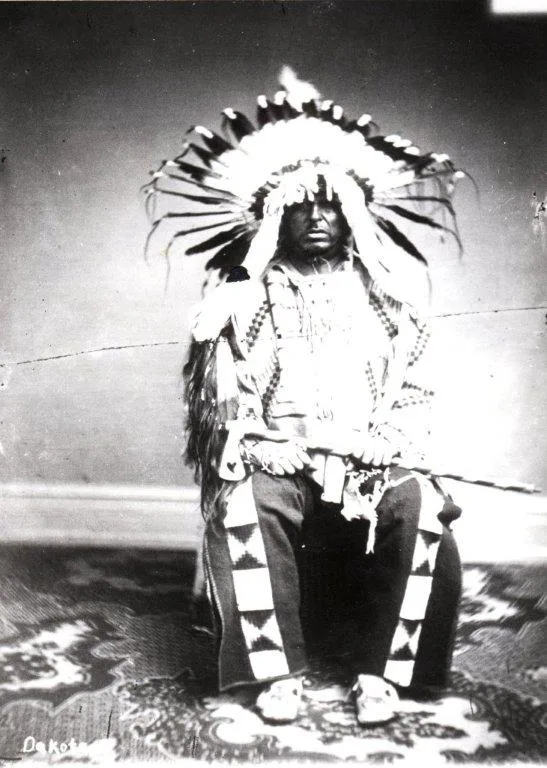
In Dakota tradition, leadership is not a position of privilege but a profound responsibility rooted in sacrifice, service, and unwavering dedication to the People. A true Dakota leader embodies humility and selflessness, driven by a deep commitment to the community's well-being.
This timeless teaching is reflected in the understanding that a leader is the last to eat and rest, yet the first to lay down their life if necessary to protect and uphold the collective good. This understanding is not just a cultural value but a sacred call to lead with integrity, respect, and justice guided by the principles of peace and harmony.
At the heart of Dakota leadership lies the principle of service. A leader does not stand above others but walks with them, sharing their burdens and joys. Leadership is not a pursuit of personal gain but an enduring commitment to the welfare of the Tiyospaye (extended family), the Oyate (the People), and Mother Earth. This model of leadership exemplifies wówačhiŋtaŋka—endurance, patience, and resolve in the face of hardship.
The needs of the most vulnerable are prioritized, ensuring that elders, children, and those in need are cared for first. It is a leadership grounded in love for the People—a love that transcends personal desires and fosters unity and collective well-being.
The warrior spirit deeply informs Dakota leadership, not as a pursuit of conflict but as a readiness to protect the People at all costs. A Dakota leader is the first to step forward in times of danger, embodying wówačhiŋyaŋke—the steadfast resolve to safeguard the community.
This warrior-leader balance of strength and compassion has been exemplified by figures like Walking Crane, White Swan, Hinhan Wicasta, and other renowned Dakota leaders. Their example reminds us that true leadership is not about dominance but creating peaceful spaces where the People can thrive.
The ultimate goal of Dakota leadership is to cultivate peace and harmony within and outside the community and with the natural world. This requires wisdom to resolve conflicts, patience to listen deeply, and a vision that guides the People toward unity.
Peace is not merely the absence of conflict but the presence of balance, respect, and interconnectedness. Dakota leaders embody wówačhiŋtȟaŋka—a profound inner calm and strength that radiates outward, fostering harmony and healing. Guided by the wisdom of ancestors and the principles of Wakan Tanka (the Great Mystery), they draw upon the community's support, especially the Elders, to navigate challenges and build pathways for collective growth.
In the modern world, the qualities of a good Dakota leader remain vital. Indigenous communities face historical trauma, environmental threats, and social inequities, calling for leaders willing to sacrifice for the collective good.
These leaders bridge traditional values with contemporary realities, integrating the wisdom of the past with present opportunities. A true Dakota leader understands that leadership is not about holding power but about empowering others. They foster collective responsibility, inspire collaboration, and build a shared vision for the future.
Ultimately, leadership in Dakota tradition is a sacred responsibility. It calls for embodying wóuŋspekhiye (respect), wówačhiŋtȟaŋka (endurance), and wóksape (wisdom). A good leader is not defined by title but by action, guided by a commitment to the People and a sacred path laid by the ancestors.
These teachings offer timeless lessons for all who seek to lead with integrity. In a world longing for unity and balance, the Dakota leadership model is a powerful example of selflessness, courage, and an unwavering commitment to peace.
By embracing these principles, we honor the legacy of our ancestors and carry forward a sacred vision of a harmonious and thriving future for all members of our Human Family. In the spirit of wóuŋspe wóhoda—learning with respect—we reaffirm our commitment to unity and the well-being of Mother Earth.
Mitákuye Oyás’iŋ—We are all related!
Šúŋkmanu Hé Miyédo! Čhaŋnúpa Sápa Hé Miyédo!
Ĥeȟáŋ Wičhášta/Delória Tiwašpaye, Iháŋktȟuŋwaŋ, and Chickasaw Nations.