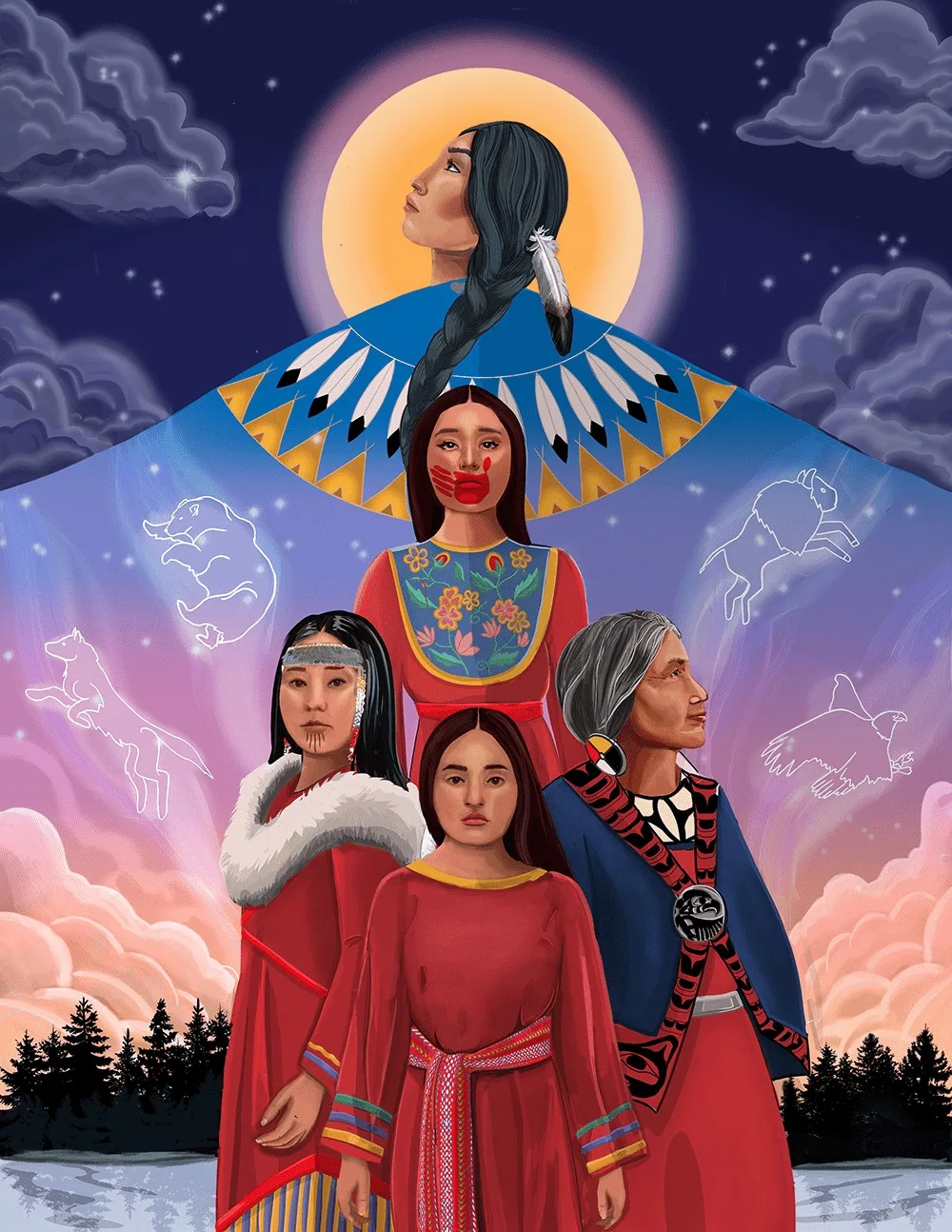
Breaking the Chains of Injustice: Empowering Indigenous Women
In a world riddled with conflicts and inequalities, the emancipation of women and achieving full equality between the sexes emerges as one of the most vital prerequisites for fostering global peace. Gender equality brings significant benefits to individuals, communities, and nations alike. With this understanding, it is crucial to acknowledge the unique challenges faced by Indigenous women, whose struggle for gender equality is intertwined with cultural preservation, racism, and the fight against historical oppression.
Indigenous women face a double bind, as they are marginalized based on both their gender and their ethnic identity. The intersection of gender and Indigenous identity creates unique challenges that result in a disproportionate lack of access to education, healthcare, economic opportunities, and political representation. Their rights are violated, and they are subjected to discrimination and violence within their communities and by external forces.
The historical trauma inflicted on Indigenous communities, including genocide, forced relocation, land dispossession, broken treaties, residential schools, and cultural assimilation, continues to cast a long shadow over the lives of Indigenous women. Centuries of colonization have profoundly impacted their socioeconomic status and access to resources. As a result, many Indigenous women struggle to break free from the cycle of poverty and exclusion, hindering their ability to participate fully in society and advocate for their rights.
Indigenous women face high rates of violence and discrimination, both within their communities and in broader society. They experience disproportionately high levels of domestic violence, sexual assault, and human trafficking. Discrimination based on their Indigenous identity compounds these issues, making it challenging for them to access justice and support systems that adequately address their needs.
Educational opportunities for Indigenous women are often limited due to various factors, including remote living conditions, inadequate school facilities, and cultural biases. As a result, many Indigenous women are denied access to quality education, limiting their potential for personal and professional growth. Similarly, healthcare services may be scarce or culturally insensitive, leading to health disparities and reduced life expectancy among Indigenous women.
Preserving cultural heritage and traditional roles can be a source of pride for Indigenous communities. However, traditional gender roles and Indigenous male behavior learned from colonizers can also perpetuate inequalities, limiting women's autonomy and decision-making power. Empowering Indigenous women requires balancing preserving cultural values and promoting gender equality, ensuring women's voices and aspirations are heard and respected.
Land and resource rights are intricately tied to Indigenous identity and livelihoods. However, Indigenous women often face further challenges asserting their rights to land and resources due to patriarchal norms prioritizing male ownership. External entities' exploitation of natural resources can also lead to environmental degradation and displacement, disproportionately affecting Indigenous women and their communities.
Indigenous women's political participation is hindered by various obstacles, including voter suppression, lack of representation in decision-making bodies, and limited access to political resources. Overcoming these barriers is essential for amplifying their voices, advocating for their rights, and shaping policies that address their unique needs and challenges.
Empowering Indigenous women involves community-driven efforts to address gender-based violence, provide access to education and healthcare, and ensure equal opportunities for economic advancement. Cultural revitalization efforts should also include women's roles and contributions, recognizing their agency and expertise in preserving and passing down Indigenous knowledge.
Effecting meaningful change requires collaborative efforts between Indigenous communities, governments, civil society organizations, and international stakeholders. Solutions must be context-specific, culturally sensitive, and informed by the voices and needs of Indigenous women themselves. Empowerment programs should foster self-determination, resilience, and agency, empowering Indigenous women to become agents of change within their communities and beyond.
To achieve gender equality for Indigenous women, it is essential to acknowledge and address historical injustices perpetuating their marginalization. Reconciliation processes, reparations, and the full implementation of Indigenous rights frameworks can contribute to healing intergenerational trauma and building a more just and inclusive society.
Embracing gender equality for a peaceful world requires acknowledging and addressing Indigenous women's unique challenges. Overcoming historical trauma, cultural biases, and systemic discrimination is essential for empowering Indigenous women to participate fully in society, advocate for their rights, and contribute to sustainable peace.
By listening to the voices of Indigenous women, respecting their cultures, and collaborating on solutions, we can create a more equitable and harmonious world that honors the rights and contributions of all members of our Human Family, empowered by the spiritual strength, wisdom, and vision of Indigenous women.
Shunkmanu He Me Yedo! Chanupa Sapa He Me Yedo!