Long before the sails of European explorers dotted the horizon, the Americas were a place of profound human diversity and complexity. Our lands stretched from the icy breath of the Arctic in the north to the lush, verdant expanses of the south. More than 100 million souls thrived here, speaking hundreds of languages and embodying many cultures, each woven into the fabric of Mother Earth with careful, considerate threads.
Our ancestors knew the stars' secrets and Mother Earth's rhythms. They cultivated corn, beans, and squash, which fed vast empires and humble villages. They engineered monumental cities and earthworks that aligned with the cosmos while maintaining the delicate balance of the ecosystems they belonged to. The plains, forests, deserts, and mountains were meticulously managed through controlled burns and sophisticated agricultural practices, supporting large populations and diverse wildlife.
This vibrant world, however, was on the brink of unimaginable change. In 1492, a new era was unwittingly ushered in by the arrival of Christopher Columbus, setting the stage for a series of events that would drastically alter the fate of the original peoples of these lands.
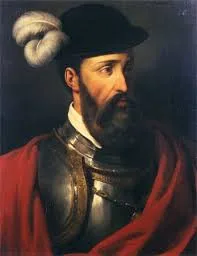
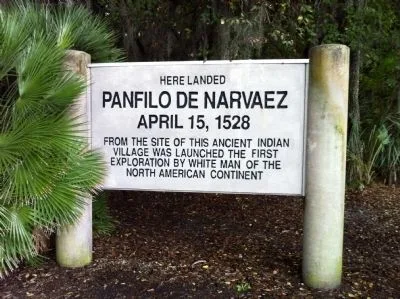
By the early 1500s, European explorers and conquerors, driven by a thirst for wealth and new territories, began their invasive journeys into the heart of our continents. Among them was Pánfilo de Narváez, whose expedition would epitomize the catastrophic impacts of European conquests. Narváez, known for his previous brutal endeavors in the Caribbean, was granted a charter by the Spanish crown to explore and claim the land he called Florida, which, to him, encompassed almost all of what is now the southern United States.
In 1527, Narváez landed on the Florida coast with a force of 600 men, intending to carve a kingdom from the wilderness he imagined he found. But the land was not empty; it was full of peoples with their own sovereignties and social structures. Narváez's expedition quickly became a journey of desperation and devastation, marked not just by the ineptitude of its leader but by the virulent diseases his men carried.
These diseases spread like wildfire, far outpacing the slow march of armored men through the continent. Smallpox, measles, and influenza—alien to our bodies and our medicine—decimated communities by the tens of thousands, leaving cultural wreckage in their wake. This was the beginning of what would be known as the Great Dying, a period of mass death so severe that entire civilizations crumbled, their numbers reduced by up to 95%.
Survivors of these calamities faced a world irrevocably changed. The immense herds of bison that roamed the Great Plains and the vast flocks of passenger pigeons that darkened the skies were not just natural phenomena but rebounding populations in ecosystems carefully managed by indigenous peoples for thousands of years.
As the years passed, the truth of these lands and their original peoples were overshadowed by tales of European conquest and discovery. The actual depth of our civilizations, the breadth of our knowledge, and the scale of our tragedy and genocide were obscured and minimized by histories that glorified the colonizers and painted our ancestors as mere footnotes in our homelands.
Today, we reclaim these stories. We speak of the dynamic, creative, and spiritually-based societies that thrived in Abya Yala long before Columbus, of the profound wisdom and rich cultures nearly lost to time and violence. As we honor the memory of those 100 million, we commit to preserving and reviving the traditions, languages, and knowledge that survived. Our history is a testament to resilience and renewal—a continuous thread in the tapestry of human history, woven through the past into the present, carrying the strength of our ancestors into the future.
I was at the site where Navarez landed in Florida and began researching this history after reading "1491."
"