An Evolving Non-Partisan, Collaborative, and Participatory Governance Model
Step One – Prayer
Each person, in thier own way, asks the Creator (or however we designate a higher power or source of inspiration) for guidance and direction so that the Creator`s Will can guide everyone involved in the election process. Pray enough, so everyone at the election meeting is truly connected heart and mind with the Creator.
Step Two – Consultation
Discuss the qualities of good leaders, and particularly those qualities needed in leadership for this time and situation. Do not discuss individual names – only the qualities a leader should have.
Step Three – Reflection, Prayer, and Meditation
Reflect (think deeply) about the qualities needed in those chosen for leaders in the situation. Then think about who best combines those qualities from among the circle and community; consider everyone. Without the least trace of prejudice and with an open and loving heart, ask the Creator to guide you to make the best choice.
Step Four – Vote
Write down the names of the people for whom you have been guided to vote. Do not discuss your choices with anyone before or after the vote. Your choice is between you and the Creator. The number of names you vote for should equal the number of positions on the council. If your ballot has fewer or more names, it will not be counted.
Step Five – Count the Vote
A special committee of four scrutineers (vote counters) is chosen by those at the election meeting. The scrutineers count the number of votes each person receives. The people with the most votes are chosen. This is called a “plurality vote.”
For example, if the election is to choose seven council members, then the seven people with the highest number of votes are selected. The person with the most votes has the responsibility to call the first meeting of the council. Beyond that, it is not important how many votes each council member received.
If there is a tie in the voting for the last position on the council, then a vote is held to break the tie. The vote is between only the people who tied. For example, if the election is to choose seven council members and there is a tie between the seventh and eighth number of votes, then a vote is held to break the tie.
f there tie and the tie is between a person from a minority group and someone from a majority group the tie goes to the minority. For instance, if you are electing a Council of 7, And 4 men and 2 women have been elected if there is a tie between a man and women, the tie goes to the woman. The goal is always to have your Counsel as a representative, as possible.
If there is a tie between the second and third, or fourth and fifth number of votes, no vote is necessary since it is clear they have been selected.
Step Six – Acceptance and Support
Everyone in the community must now give their wholehearted and unreserved support to the chosen. No one should speak secretly against those elected. Rather, everyone should now rally behind the council, pray for them, share their best ideas and insights with them, and cooperate to ensure everyone's success in promoting the healing and development of the people.
Step Seven – Servant Leadership
The newly chosen council members should show the utmost humility and approach their work in the attitude of loving service to the community. They should actively solicit (ask for) the views and opinions of community members and work very hard to ensure that the real leaders are the people and the council their servants.
Suggested Qualities of Servant Leaders
Spiritually centered – actively in a relationship with the Creator.
Spiritually strong – lives a good moral life, suitable to stand as a role model (particular attention to the issues of addictions, relationships, and honesty regarding money should be considered).
Believes in the people’s capacity to heal and develop and show this belief in how they work with the people.
Engaged in her or his own healing journey and is a relatively healthy person.
Has a good mind and heart and clearly understands the process of healing and development and the issues the people are facing.
Has demonstrated devotion to the people’s healing and development through hard work and a good attitude over time.
Shows true respect for the Creator, Mother Earth, and all members of our Human Family. (does not show disrespect for anyone, including women, men, youth, the poor, other races, etc.).
Can work well with others in a team.
Strives to work from a position of forgiveness, unity, and harmony with everyone.
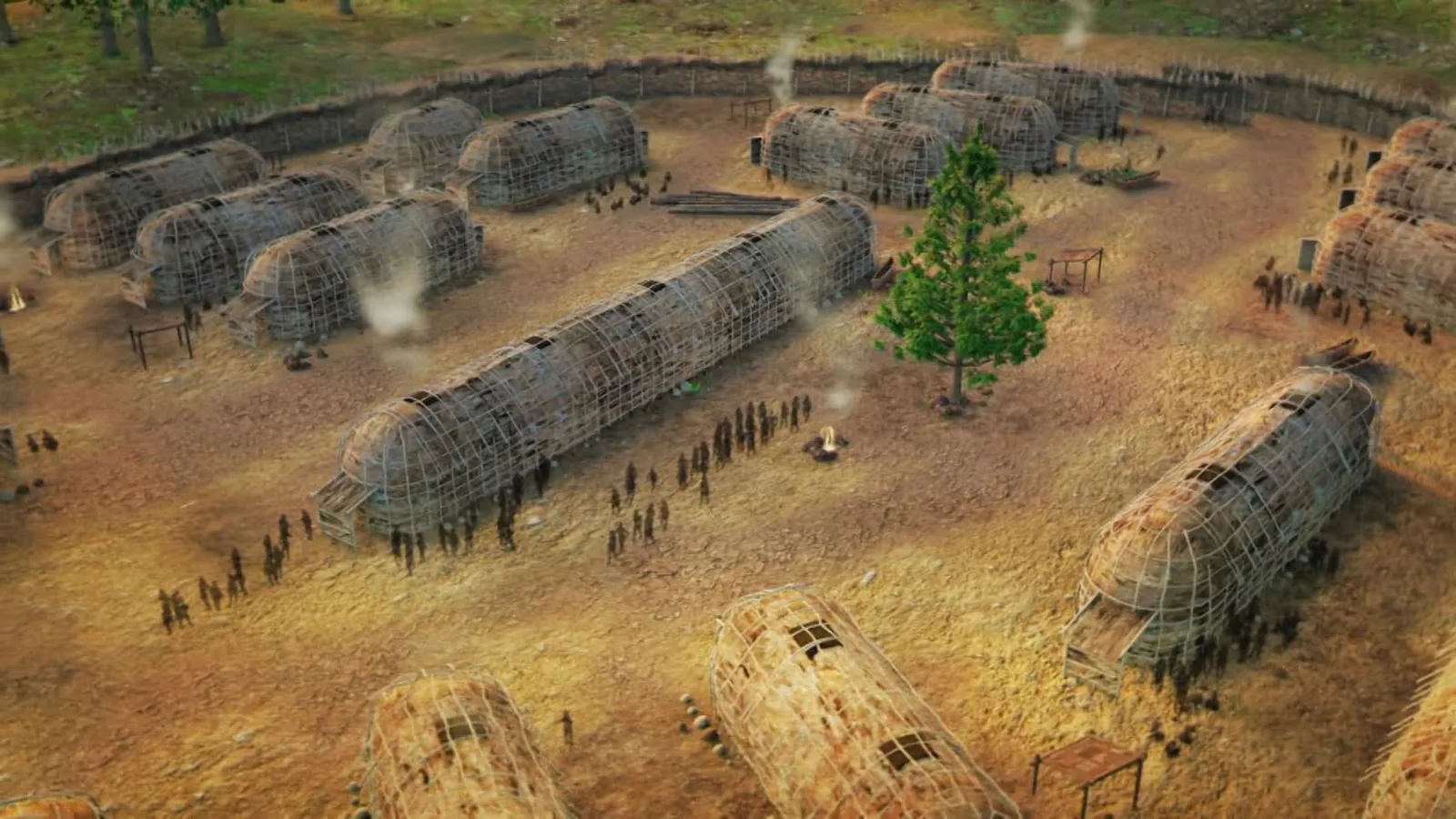
I learned this non-partisan electoral process when I was in Bolivia from 1970-1973. It is drawn from the way the Baha'i Faith chooses thier leadership, as well as, the study of the Peacemaker and the Great Law of Peace of the Iroquois Confederacy, and the way the Quakers select leadership.
We have used it in Indigenous contexts, including Native American Prison Groups, Native American Headstart Programs for Community oversight.
This Evolving Non-Partisan, Collaborative, and Participatory, Governance Model is now the Governance Model utilized by Union of the Condor, Quetzal, and Condor, across the Americas.
We are always looking for the light, we don't care what the Lamp Shade looks like, so if you know of a better model or how to improve this one, please let us know. The Universe, like ourselves, are always in the draft!